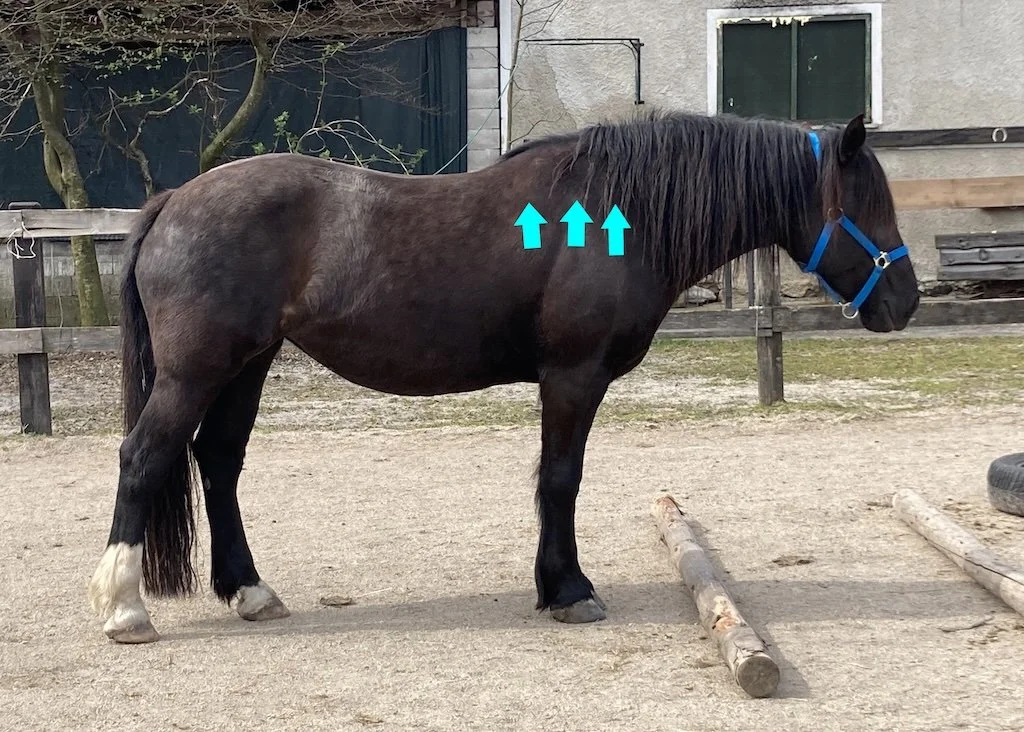
Three reasons to focus on thoracic sling development
The thoracic sling is a key component in sound movement. Here are three reasons why you need to pay attention to it – regardless of breed, discipline or level of riding.
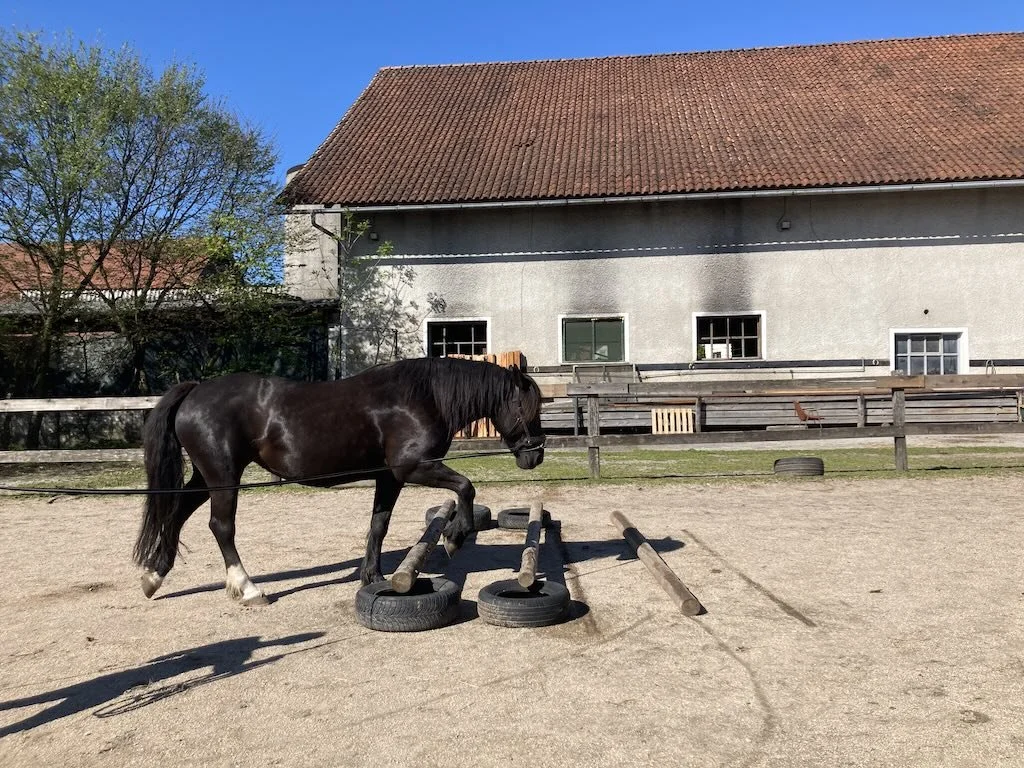
Why does my horse drag his hind feet?
A bad saddle can do a lot of damage, which is why it’s imperative to really take the time it takes to find a good saddle. Never forget that fitting a saddle is a dynamic process.
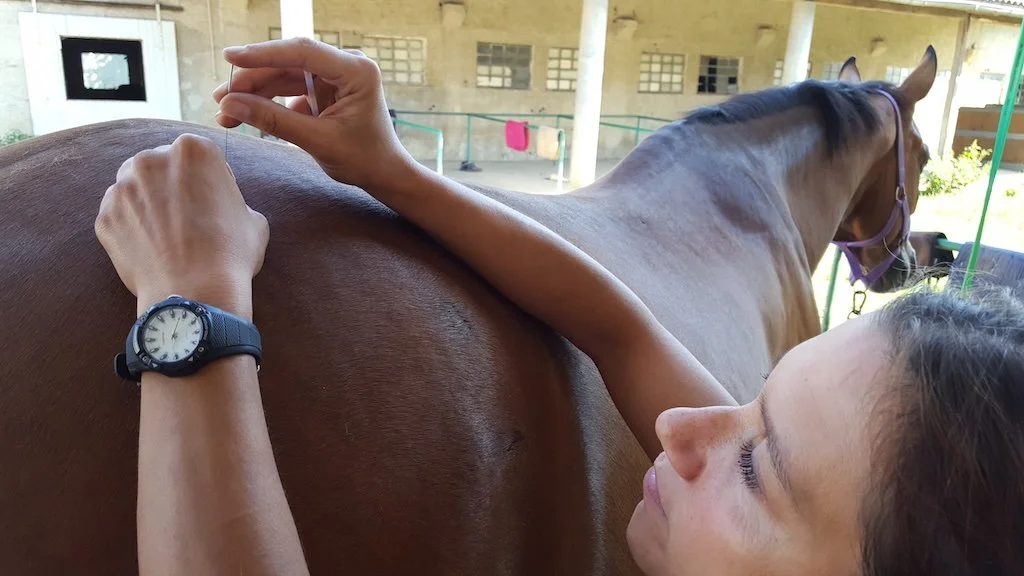
Is the problem really in the SI joint?
The SI joints are often blamed for any sort of pelvic dysfunction, but the region is a complex one and there are more factors to investigate than just those two joints.
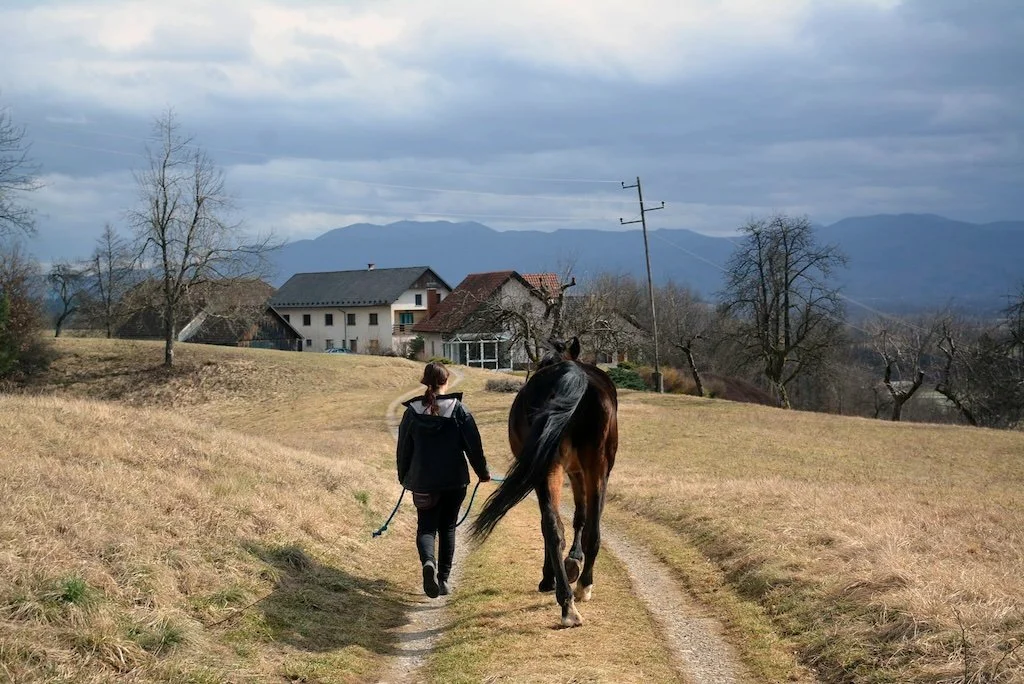
Downhill problems
Struggling with downhill movement can be a lack of core strength or it could indicate pain – or both.
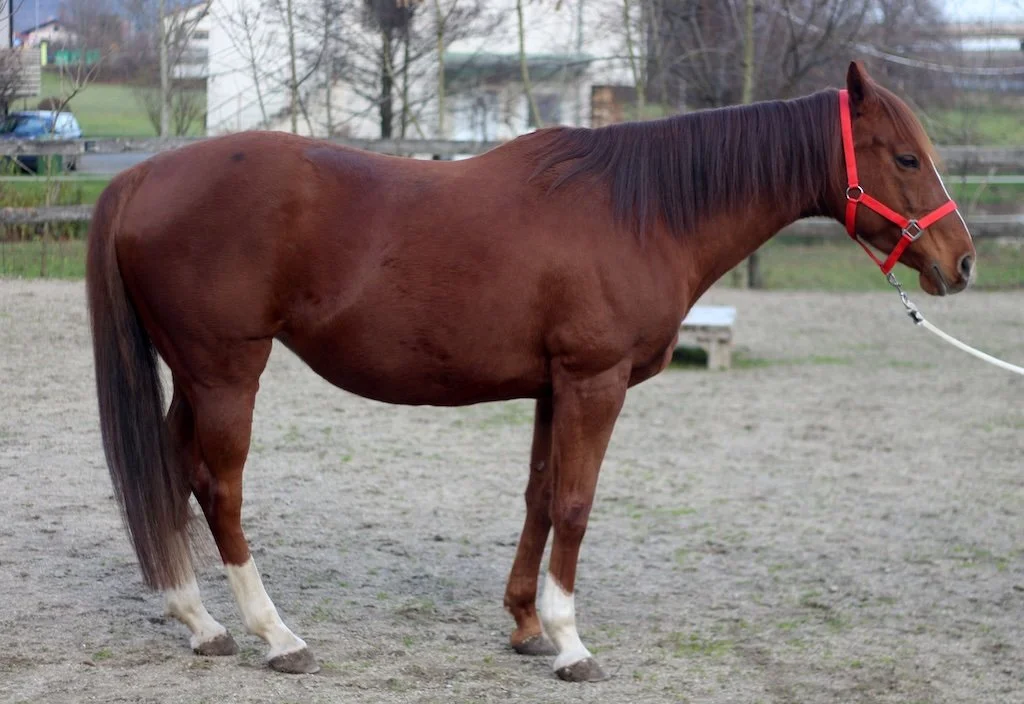
Joint problems don't come out of nowhere
Joint issues rarely appear out of nowhere, but they can be devastating, because the ability of the cartilage to heal is limited. This is why it’s crucial to understand how joint issues happen and what to do about it early.
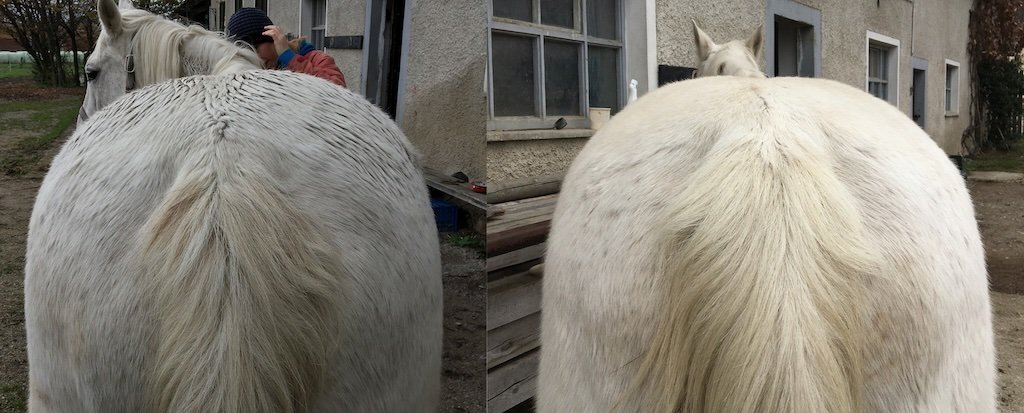
Observing changes in the back and hind end
The back and hind end take a while to develop, so it can be harder to see changes here than in the front end. Here’s what to look for.
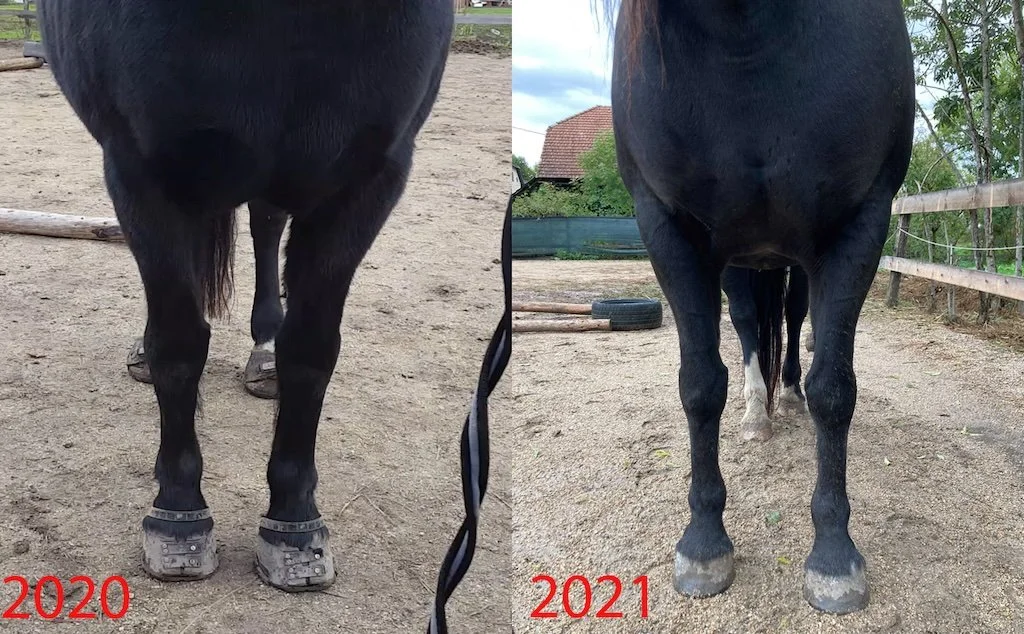
Observing changes in the thoracic sling
As the horse’s training progresses, his thoracic sling will change. If the training is sound, the thoracic sling should become more functional and stronger. Here is what to look out for.

Observing changes in the neck
The neck is one of the areas where changes start to show early. This is why observing the neck regularly can give us a lot of feedback on how our training is going. Here is what to look for.
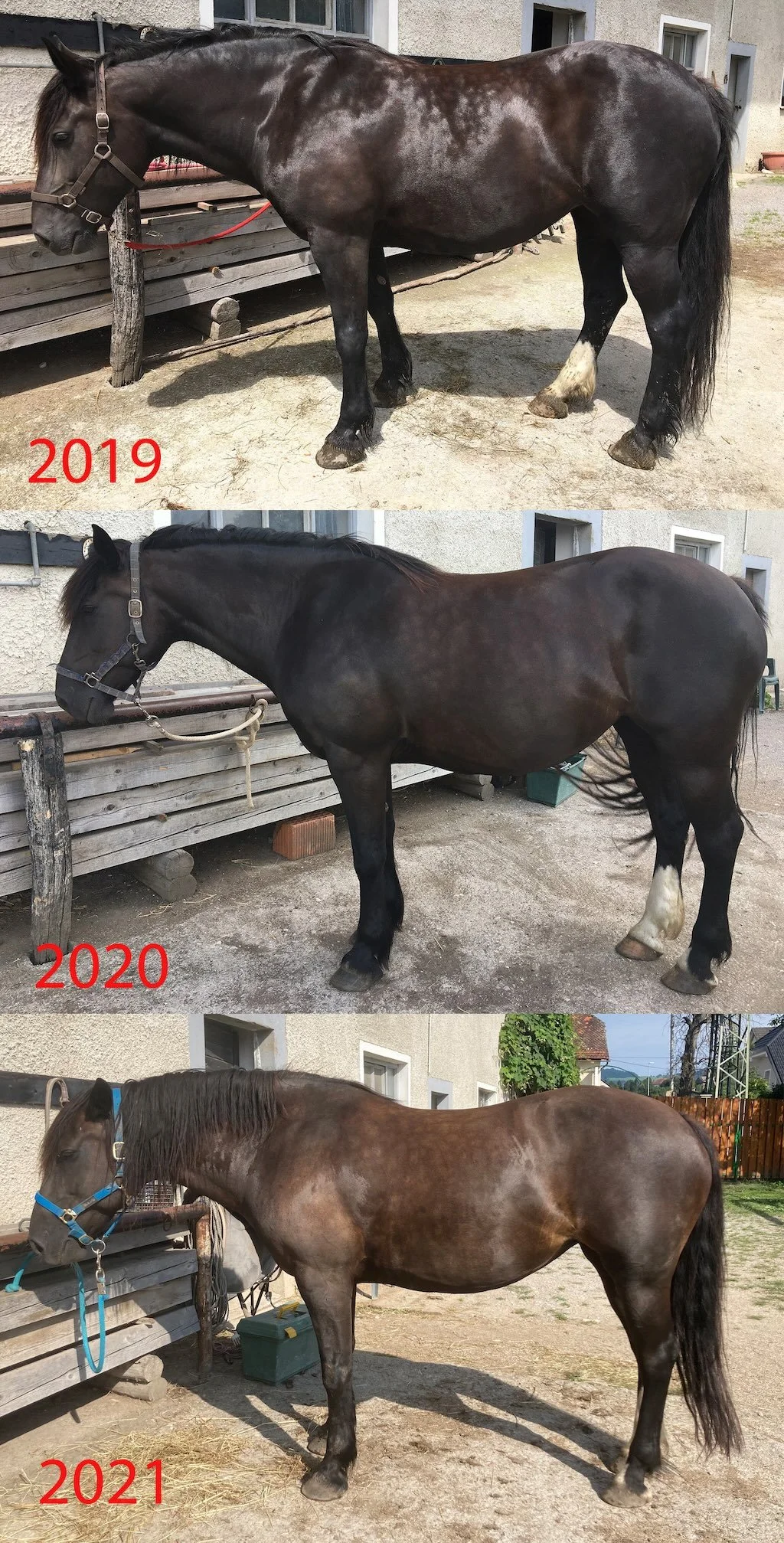
Observing the changes in your horse
Noticing changes can be tricky. The changes that occur with training are subtle and if we see our horse every day it can be hard to detect them. Here is how to notice change over time.
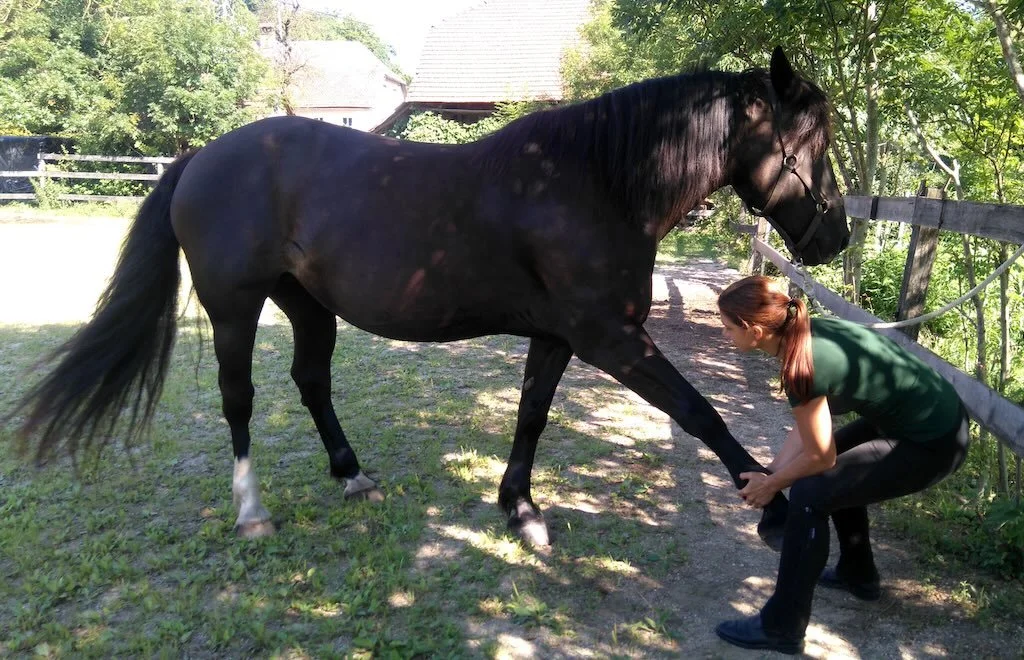
Making sense of subtle front limb issues
Why a horse might appear off in front is sometimes a very difficult question to answer. Here are some tips on how to go about your detective work.
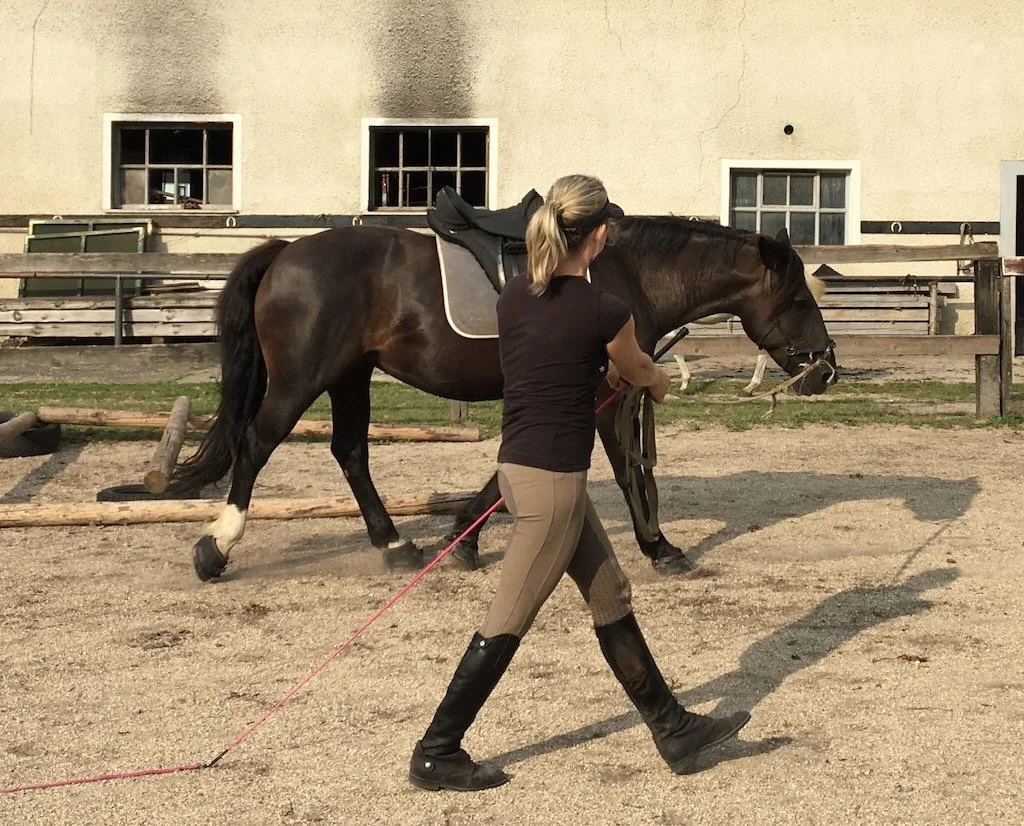
Solving riddles
Here are some tips on how to approach a horse that is not lame, but randomly feels “off”.
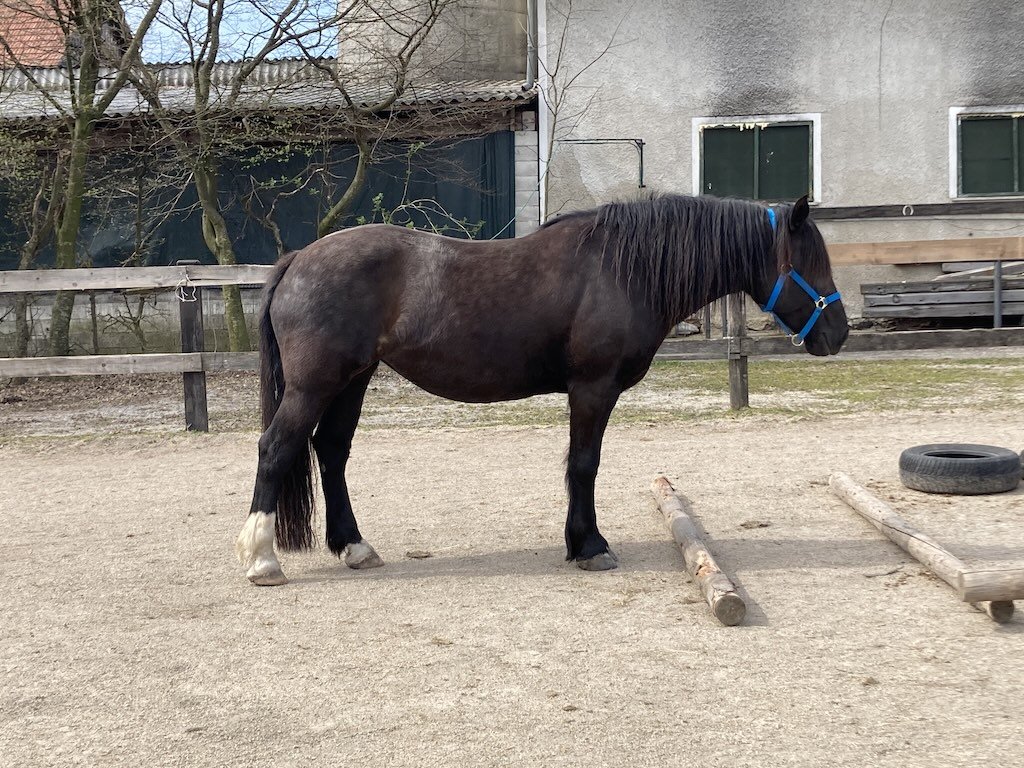
How does your horse rest?
How the horse chooses to use his body while resting can tell us a lot about issues he might be having. Pay attention to how your horse stands when he is relaxed.
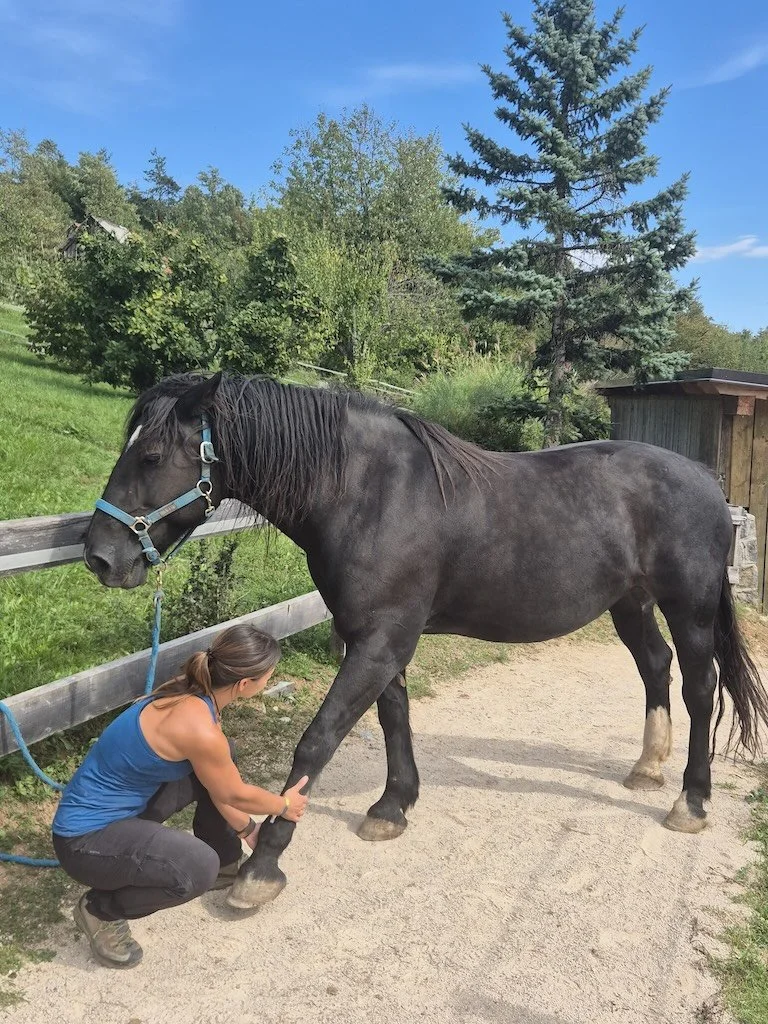
Elbow pain – more common than you might think
Elbow pain is very common in horses who struggle to use their front end correctly. It is a problem many riders are unaware of, so it's important to educate ourselves on signs of elbow pain.
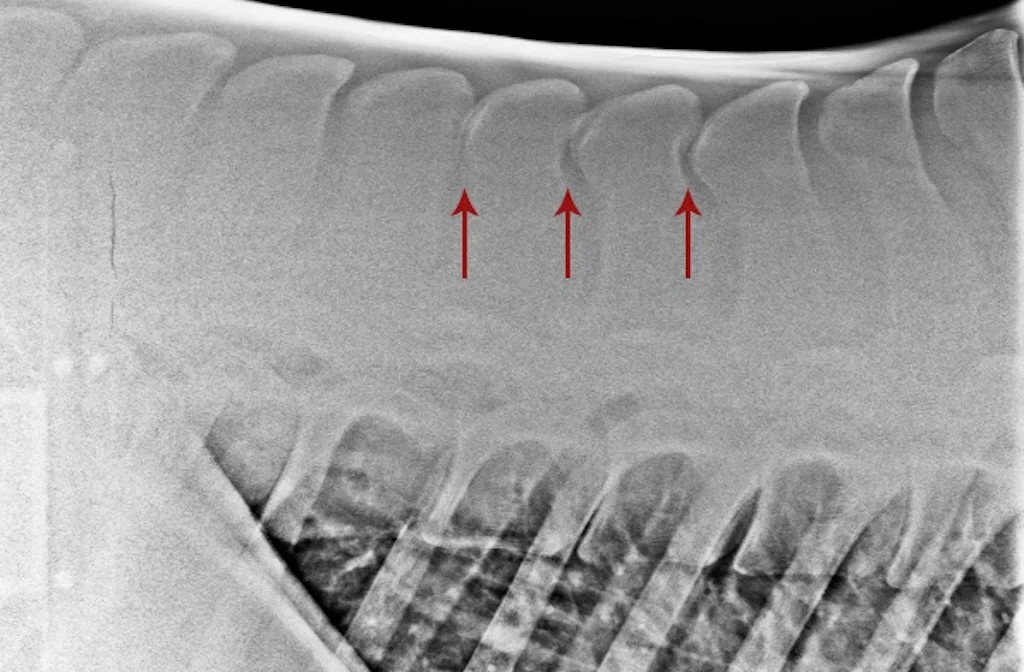
The trouble with X-rays
Findings of diagnostic imaging do not always match the symptoms. This can make rehab especially tricky.
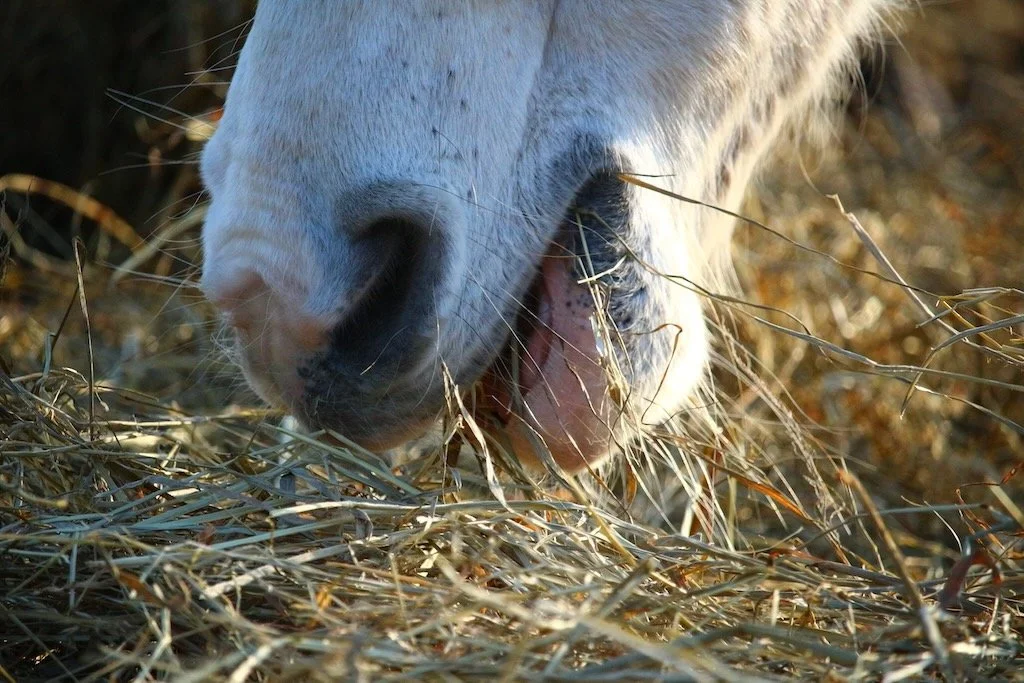
Contributors to fascial tightness
Some horses seem chronically tight, even with regular bodywork and appropriate work. In these cases, it makes sense to look at the broader picture and consider other contributors to fascial tightness.

Downhill conformation ... or downhill posture?
A downhill conformation is an undesired trait, one that is very often exacerbated by a weak thoracic sling.

Digestive issues and back problems?
Here is another example of how everything in the body is connected. Digestive problems and lumbar issues often go hand in hand.

Can breathing issues cause locomotion problems?
While we tend to think of different systems in the body as separate things, they are all actually very connected. So, for example, the immune system is influenced by the digestive system, the fascia is influenced by the hormone system and so on. In the same vein, breathing issues can often transcend the respiratory system and start causing problems elsewhere.
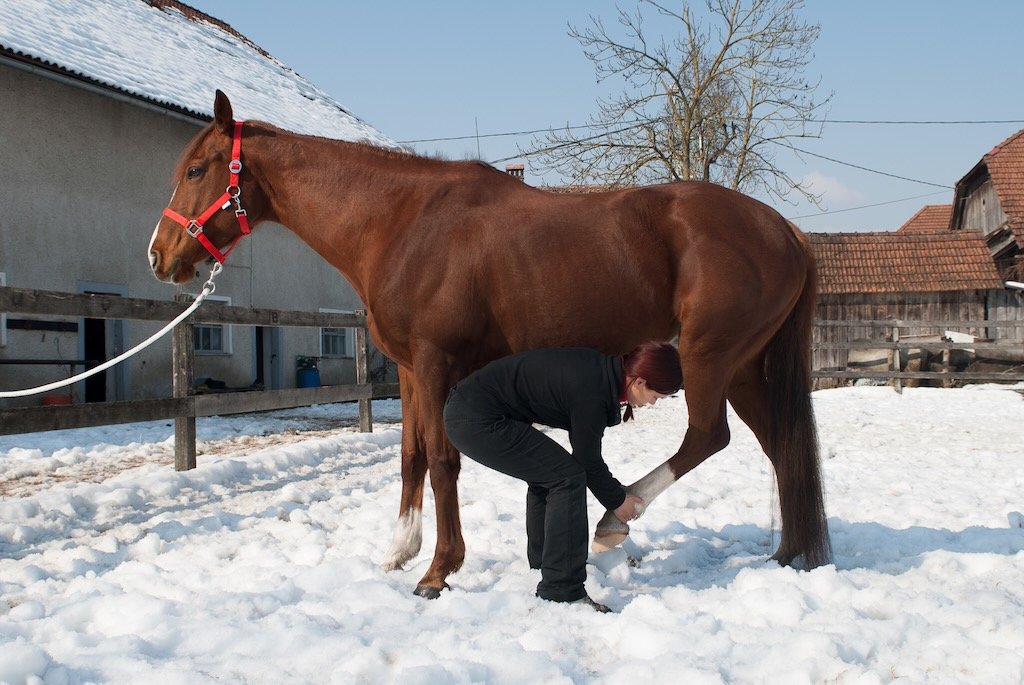
When you pick up your horse's leg...
A healthy horse should be able to effortlessly stand on three legs while you pick up the fourth one. If this is a struggle, it is worth investigating.
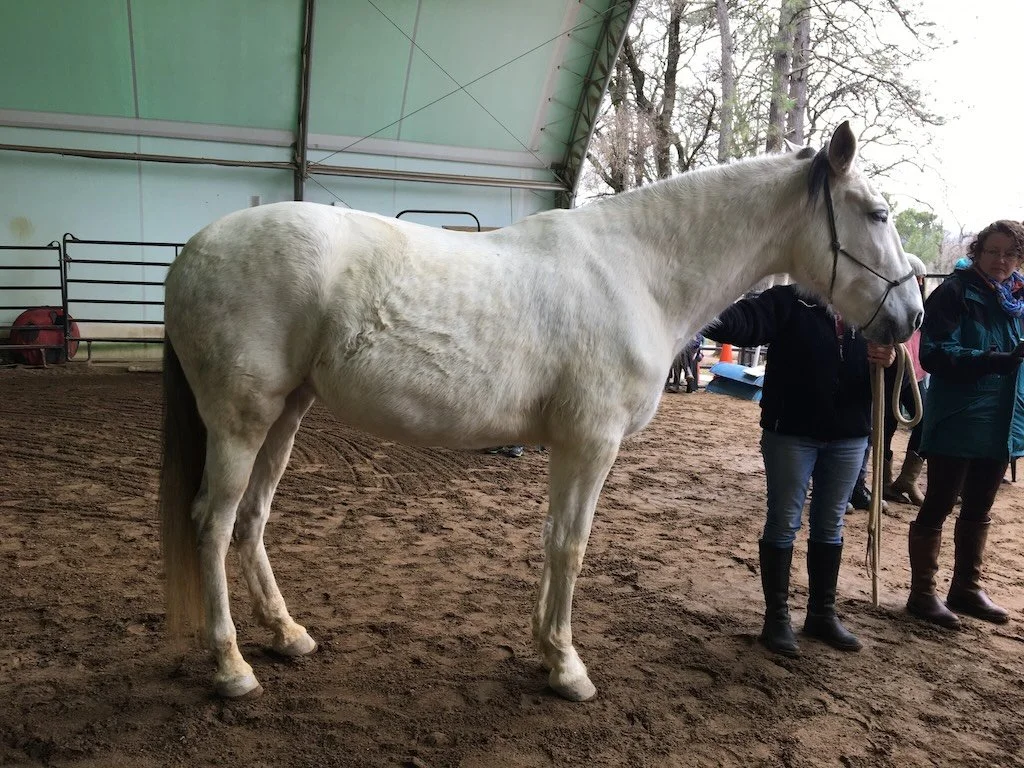
Checking for stifle stability
Instability in the stifles is a very common, but often underrecognized, issue. Here are some things to look out for in your horse.