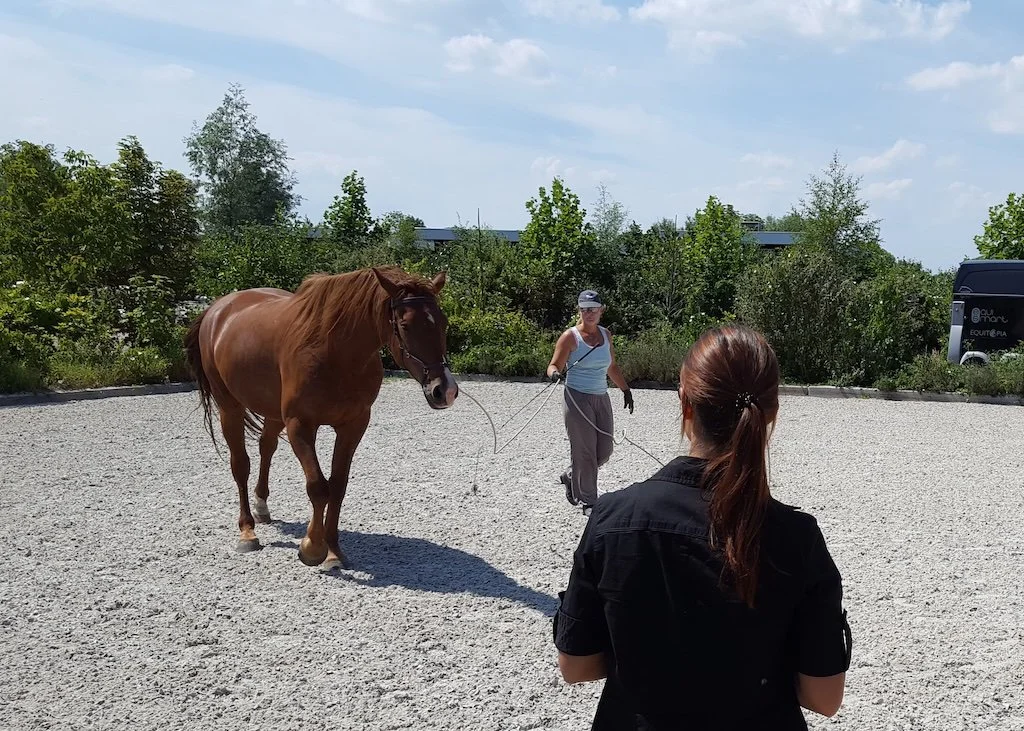
Why lameness assessment is tricky
Sometimes figuring out why the horse is “off” can be very tricky. Sometimes lameness can be very apparent, and other times it is very subtle, making it difficult to discern where the problem is.
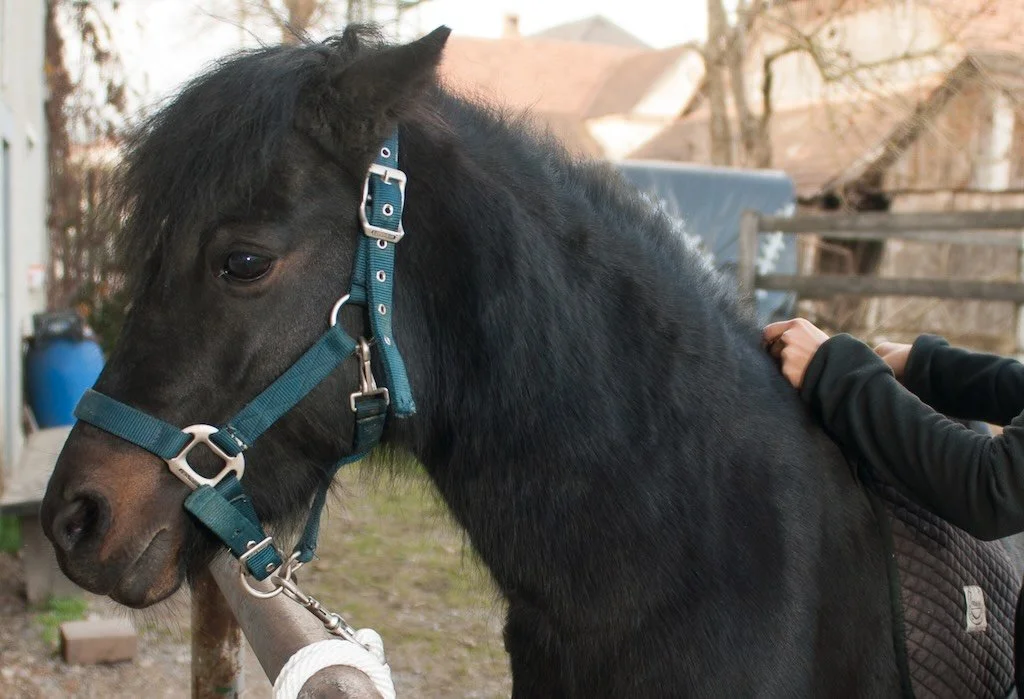
Three signs the training is too hard
Overtraining can lead to injuries and chronic issues, so it’s important we learn to recognise some early signs that the training might be a bit too hard for our horse.
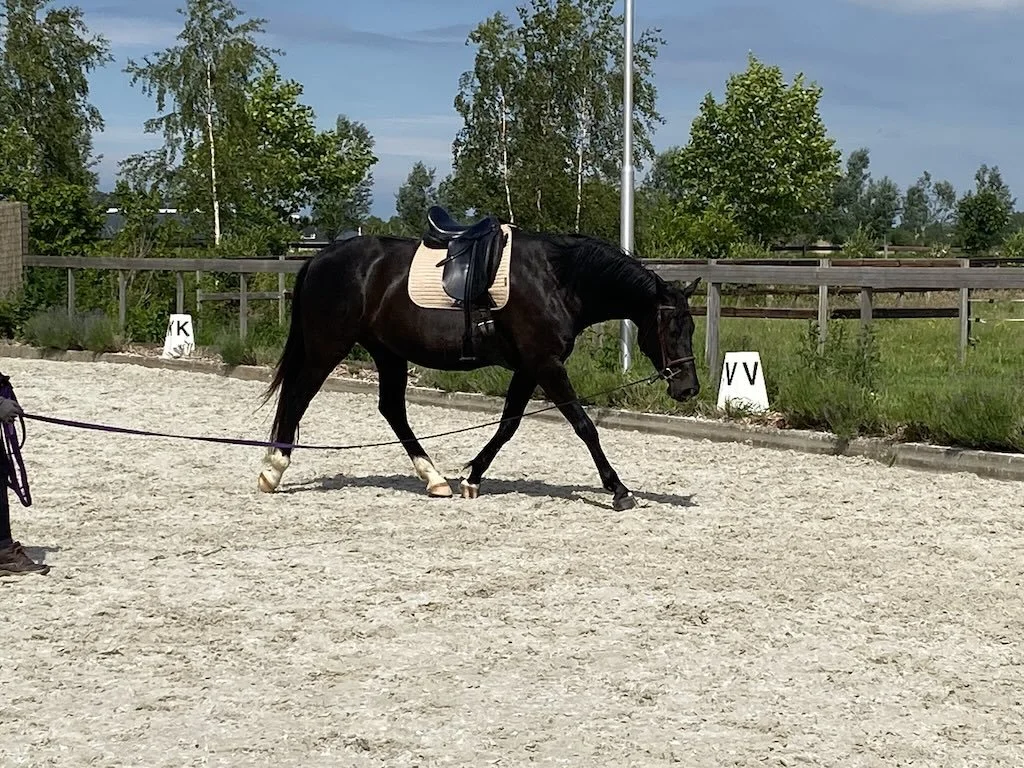
Saddle fitting should be a dynamic process
A bad saddle can do a lot of damage, which is why it’s imperative to really take the time it takes to find a good saddle. Never forget that fitting a saddle is a dynamic process.

How to help overly alert horses
Overly alert horses tend to have lots of health issues a chronic stress wreaks havoc on their bodies. Here are some ways you can help you horse relax and rebalance his nervous system.
How much discomfort is acceptable?
During the coldest months of the year, some horses might become a little stiffer. Here are a few ideas on how to keep them as comfortable as possible.
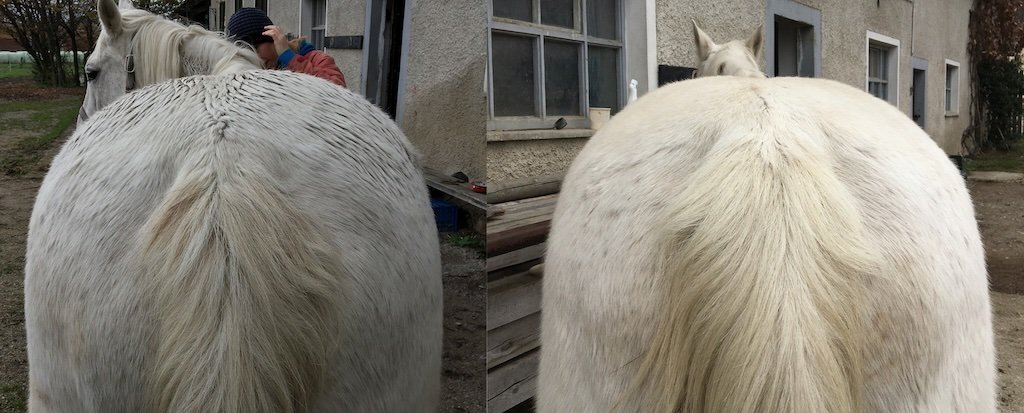
Observing changes in the back and hind end
The back and hind end take a while to develop, so it can be harder to see changes here than in the front end. Here’s what to look for.
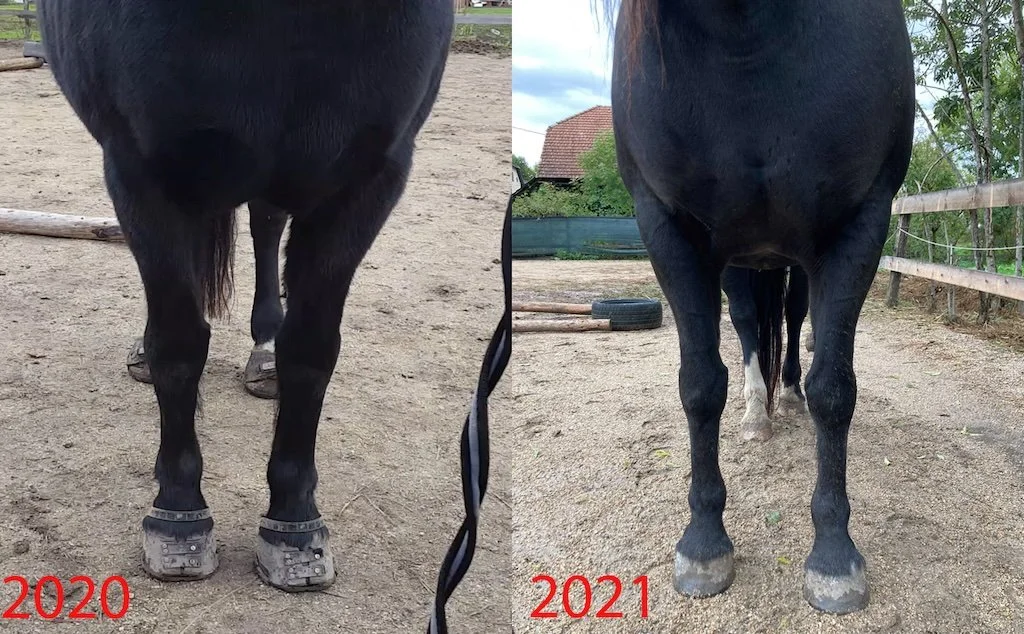
Observing changes in the thoracic sling
As the horse’s training progresses, his thoracic sling will change. If the training is sound, the thoracic sling should become more functional and stronger. Here is what to look out for.

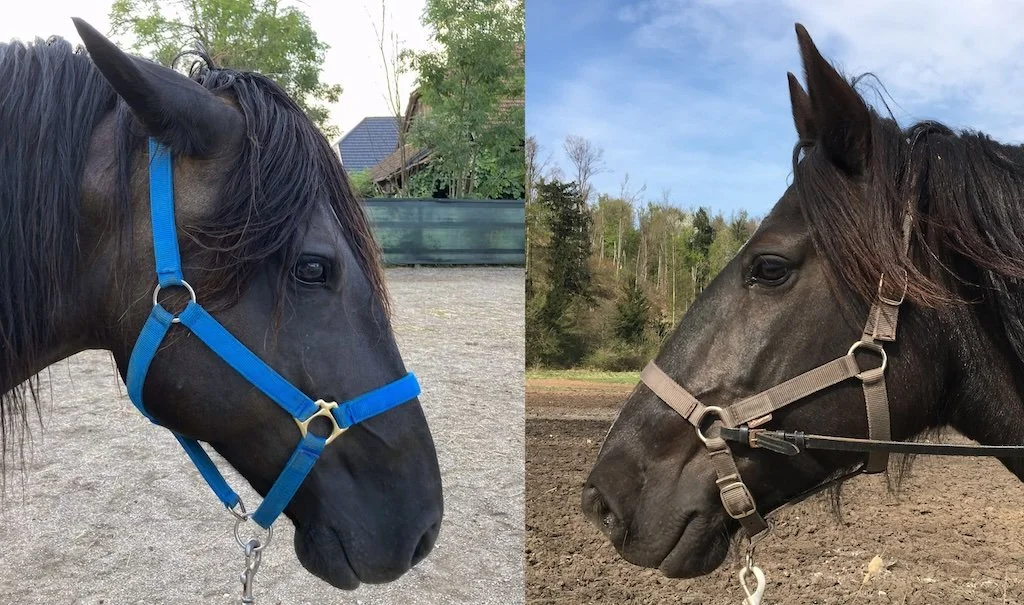
Observing changes in the neck
The neck is one of the areas where changes start to show early. This is why observing the neck regularly can give us a lot of feedback on how our training is going. Here is what to look for.
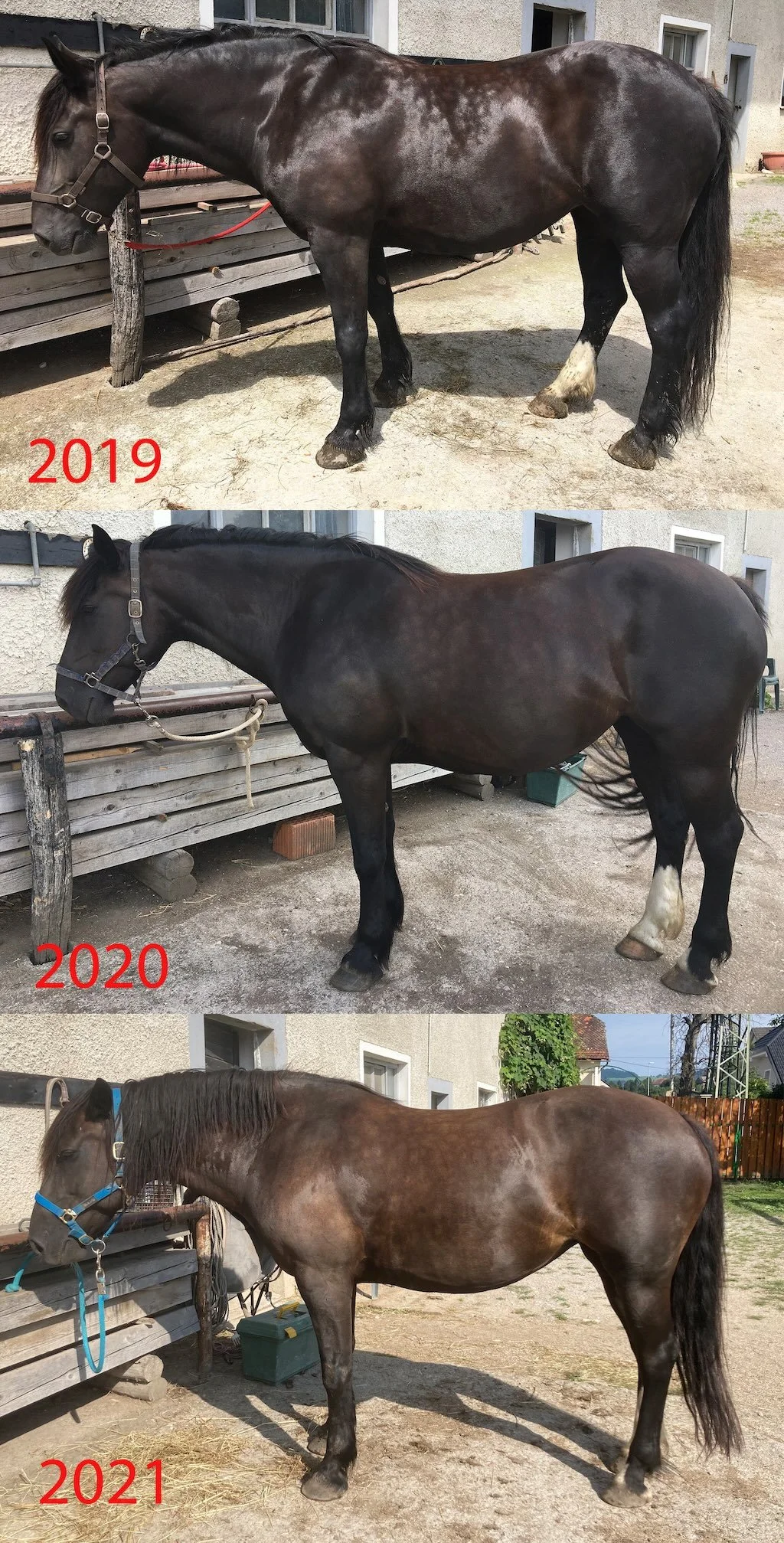
Observing the changes in your horse
Noticing changes can be tricky. The changes that occur with training are subtle and if we see our horse every day it can be hard to detect them. Here is how to notice change over time.
The two non-negotiables every rider needs to know
The more we as riders know about our horses, the better decisions we can make. Here are the two essential topics that all riders should be educated on.
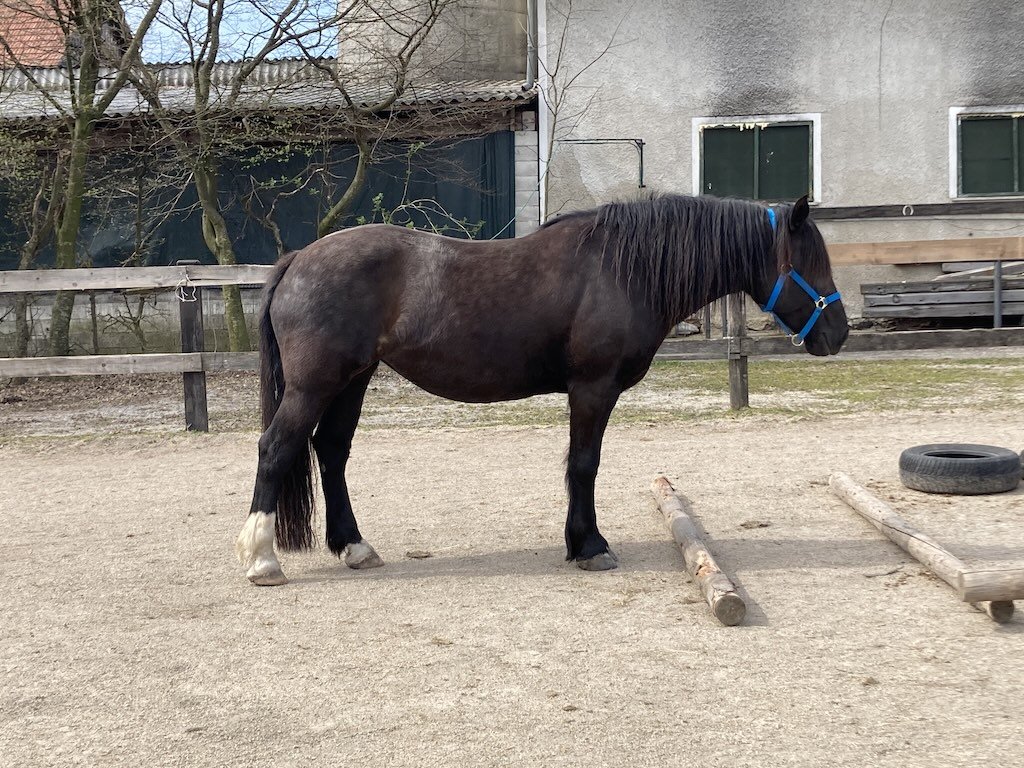
How does your horse rest?
How the horse chooses to use his body while resting can tell us a lot about issues he might be having. Pay attention to how your horse stands when he is relaxed.

Don't be afraid of speed work (for healthy horses)
Slow, postural work should be the basis for a balanced horse, but faster gaits have their benefits too.
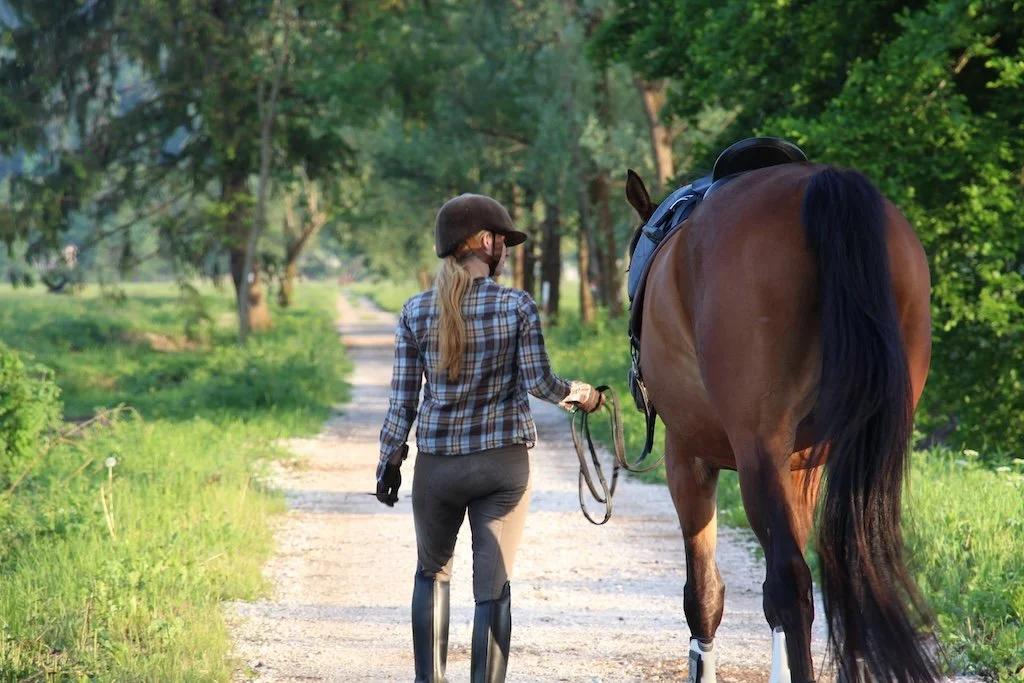
Riding in walk only – friend or foe?
While long rides in walk might seem like a good idea, they can also have negative effects. Here’s something to keep in mind.

Strengthening the thoracic sling on the go
Here are a few ideas on how to strengthen the thoracic sling in a very casual, non-complicated way.

Subtle signs your training might be off
Knowing if your training strategy is working can sometimes be tricky, which is why it is important to be able to read the subtle changes. Here are some signs that you might need to re-think some aspects of your training.
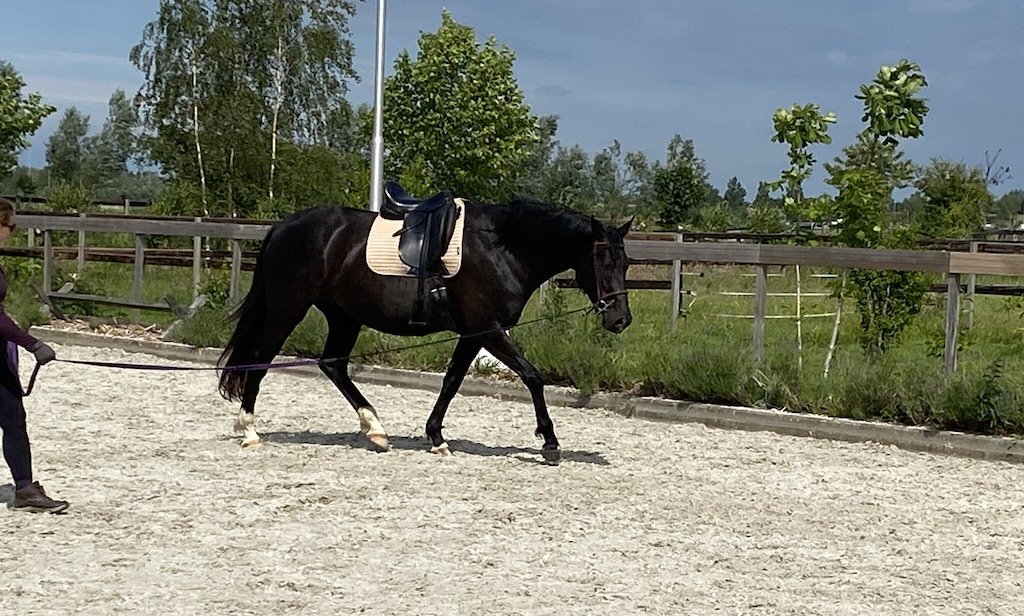
Longer days, longer rides?
Spring is a great time to get back to work, but we have to make sure to do it safely, otherwise we are increasing the risk for injury.

Back to school challenge
If you are bringing your horse back to work after a lazy summer, make sure to make a plan first – this will make progress faster and healthier.
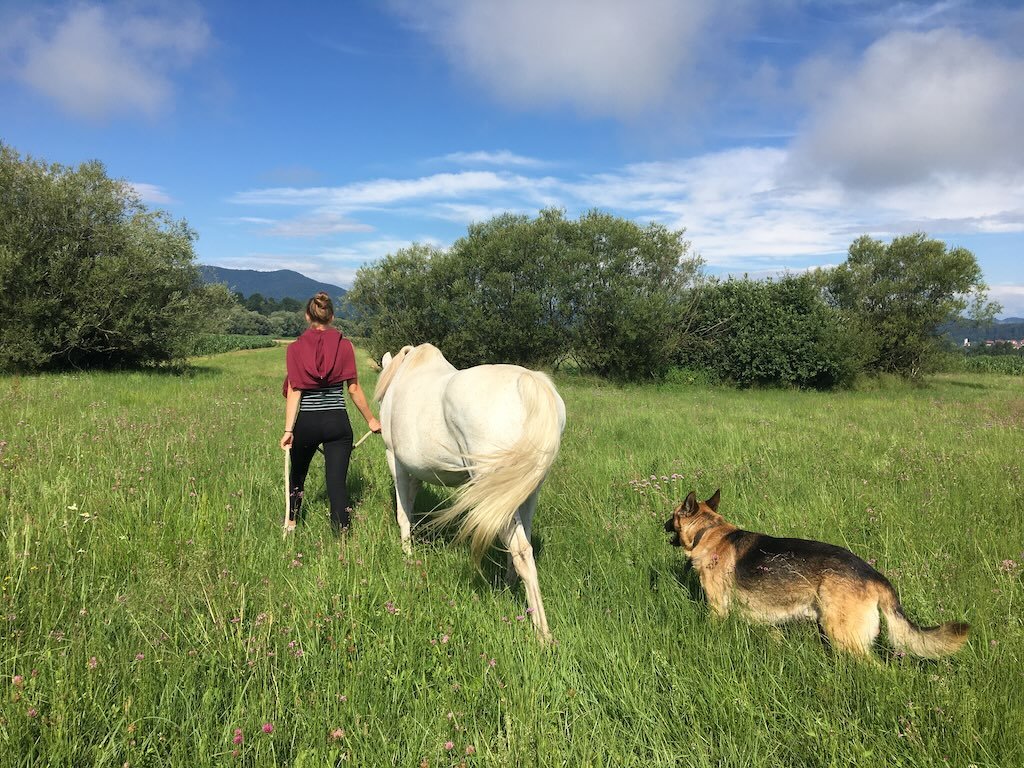
Good posture on the trail
Groundwork should not be reserved for the arena only. You can do some wonderful groundwork and set up a good foundation for healthy posture on the trail too.
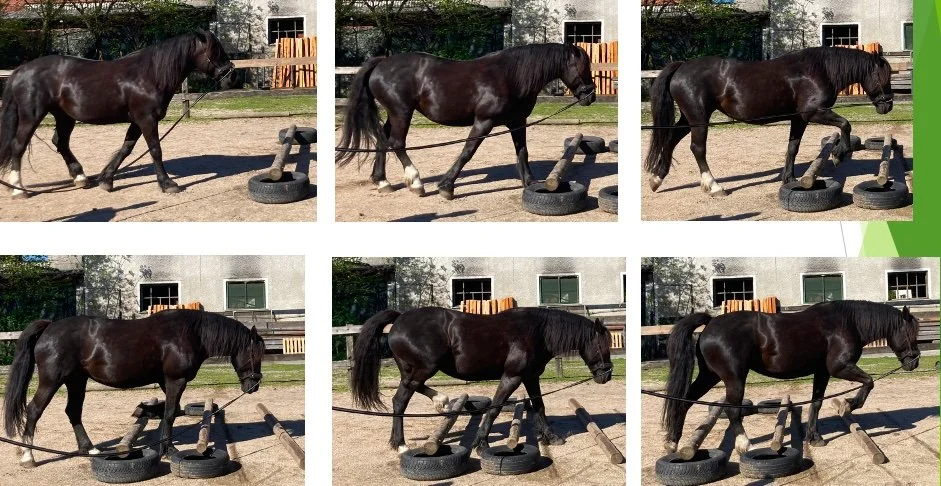
A closer look at postural changes
Training your eye to spot good posture can be tricky. Here is a closer look at some things to be watching out for.
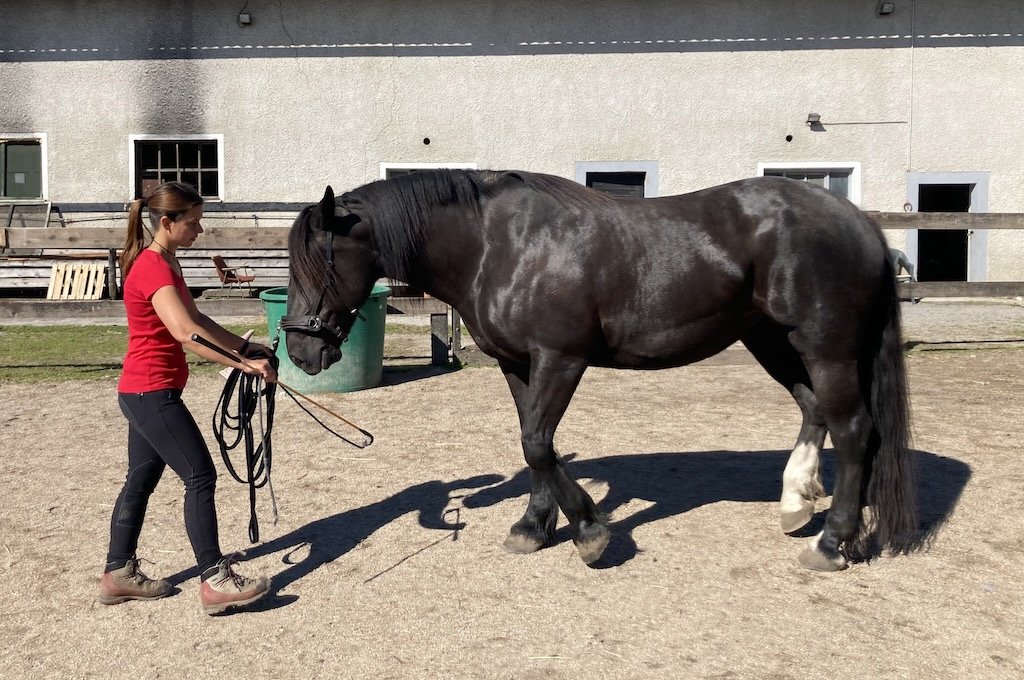
It's not what you do, it's how you do it
When it comes to which exercises are appropriate for a specific goal, it all depends on the manner in which they are executed.