How much discomfort is acceptable?
This research paper is a must-read for all riders, horse owners, and trainers. It should serve as a wake-up call to stop considering abnormal behaviours as normal.
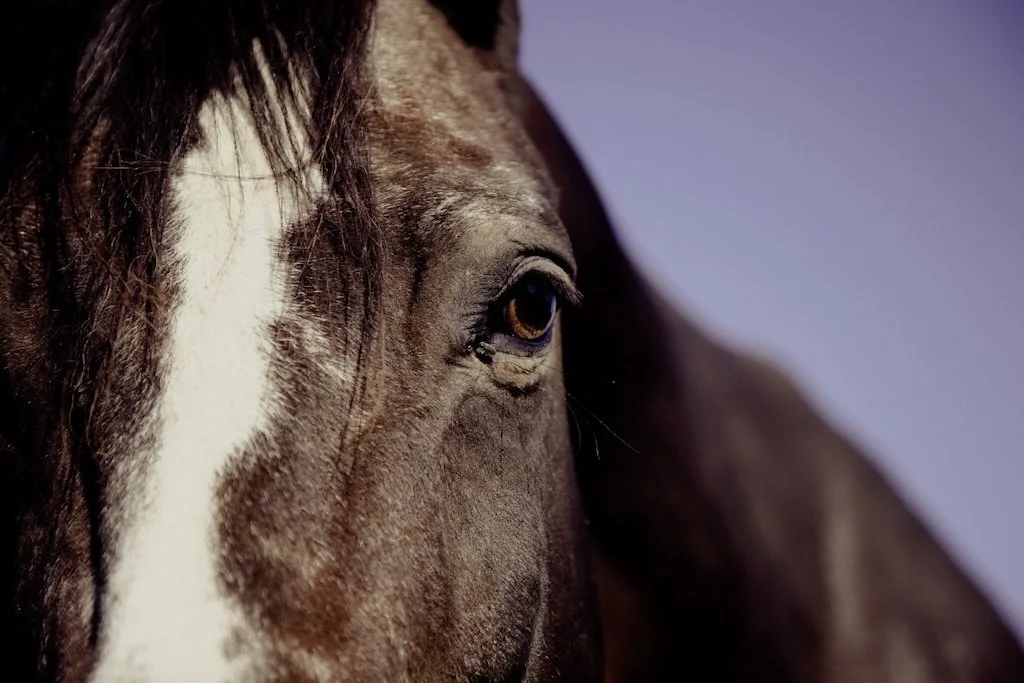
It’s sometimes easier to see certain behaviours as quirks than to recognise them for what they are - signs of discomfort.
Something that has been on my mind lately is the Equine discomfort ehogram (C. Torcivia and Sue McDonnell) that was published a couple of years ago. It is the result of more than 30 years of observing horses and collecting data, and it describes more than 70 behaviors displayed by horses in discomfort. And while some behaviours are very obvious signs of pain, others are behaviours that a lot of riders witness every day and consider to be normal. Things like having a camped under stance, biting non-food items, and displaying aggression either towards other horses or humans are all behaviours one can witness in almost any larger stable.
Everyone knows the horse that drags his teeth along the wall, or the horse that always stands with one front leg forward, or the horse that tries to bite if you pass too closely to his stall window. These things are widely considered normal, or perhaps they are considered quirky.”That’s just the way he is.” And yet, three decades of research are telling us that these quirks are discomfort. It really shouldn’t take a research paper to tell us that if a horse is aggressive, there is something wrong, and yet here we are. We have been exposed to signs of equine discomfort for so long that we consider them to be normal, but this paper should really serve as a wake-up call.
Interestingly, some behaviours described in the paper might come as a surprise to many of us. Spontaneous stretching is one of them. Stretching a hind leg behind, doing a cat-stretch, or stretching the neck by touching the mouth to the chest are all on the list. A horse stretching himself is a sign of discomfort. One might protest and say, “I stretch all the time without being in pain, why wouldn’t a horse do the same?” If you think about it, when do you stretch? You stretch after being in front of the computer for three hours. You stretch after getting out of the car after a long drive. If you think about it, we stretch out of discomfort, too. It might be mild discomfort, but it’s discomfort nonetheless. So, if the horse is displaying any of these behaviours due to mild discomfort, does that make it ok?
The next logical question becomes, how much discomfort is ok for our horses to be in? Discomfort is a part of life and a motivator for growth, so we can’t completely avoid it. I would argue that the discomfort that motivates you to change is welcome. A horse that invades another horse’s personal space and gets bitten learns that he needs to respect personal space. Discomfort has led to growth. But what does a horse learn from stomach pain due to a lack of forage in his diet? What does a horse learn from the distress that comes from being isolated from other horses? Or from a poorly fitting saddle? There is no motivation for growth there. This is where it becomes our responsibility to make sure the horses are not only pain-free but comfortable.
It’s hard to tell where the line between pain and discomfort is, but I would argue that it doesn’t really matter. If we want to keep horses as riding animals and keep them in environments different from their natural habitat, it is our responsibility to ensure they are comfortable. I would encourage you to read the whole paper (and look at the illustrations, too) and have a long think about these behaviours. If you notice any of them regularly occurring in your horse, try to figure out where the discomfort is coming from. And then try to fix it.