Three signs the training is too hard
Overtraining can lead to injuries and chronic issues, so it’s important we learn to recognise some early signs that the training might be a bit too hard for our horse.
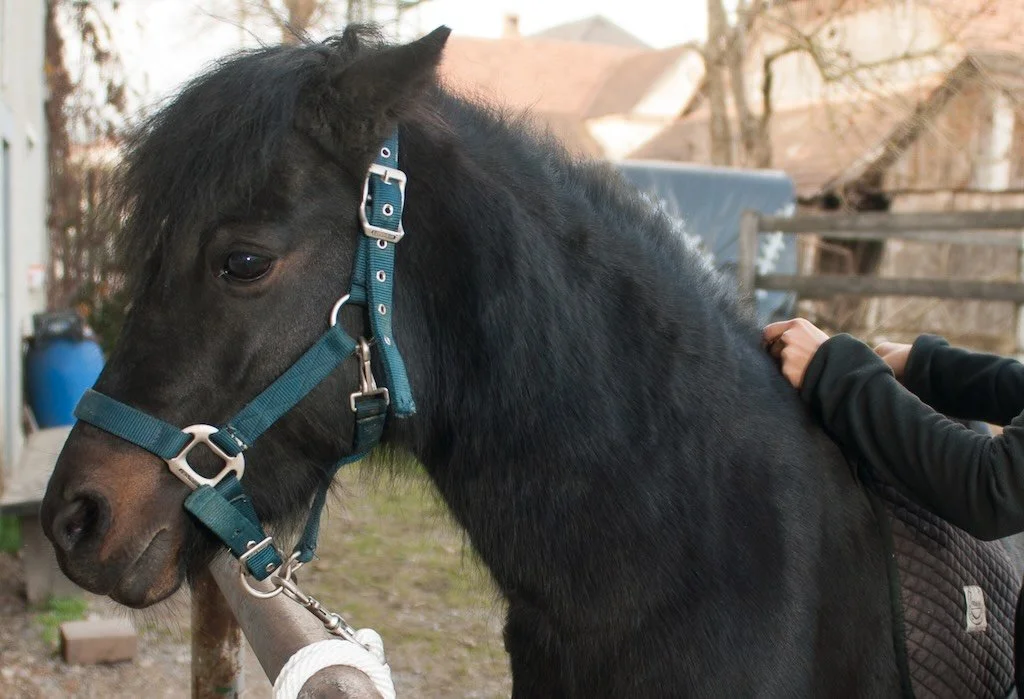
Any change in disposition and mood can be a red flag.
Training a horse (or a human for that matter) to become a happy and healthy athlete is a combination of science and art. A positive adaptation in the body will only happen if the stimulus (the training load) is intense enough to cause change. However, if the stimulus is too intense, we get an injury. So, we are constantly walking a tightrope between training hard, but not training too hard. This is difficult enough with human athletes, who can tell you how the training felt and how rested they feel the day after. But with horses, who have a tendency to hide any issues, it's like a minefield. So, to help you avoid injuries and problems stemming from overtraining, here are some signs to look out for.
Loss of rideability. As the horse progresses in his training, his rideability should progress too. He should be able to do the basics much better once he is out there doing the advanced stuff. What often happens is the horse becomes increasingly less rideable as he progresses to higher levels. Turning becomes harder, the difference between the left and right rein seems more pronounced, the horse might need more »help« from the rider's leg or the spurs... If you notice the horse is starting to struggle with really basic stuff, it's time to take it down a notch.
Behavioural issues. If your horse, who was once an eager happy camper, now looks sullen and refuses to let himself be caught, this is a huge red flag. Common symptoms include issues when tacking up, ignoring the rider's aids, refusing jumps, excessive tail swishing or even stuff like bucking and rearing. Those can all be signs of pain, which often rears its ugly head when we ask the horse to do stuff he is not ready for.
Posture deterioration. When the horse finds an exercise too hard, the first thing to go is good posture. Moving in a healthy posture is hard work and if the horse is faced with a challenge that's too demanding, he will forego the good posture and tackle the problem in a way that seems easier. It's not uncommon for horses to struggle with posture when they are doing an exercise for the first or second time. But this should improve within one to three training sessions. If the horse keeps struggling and the posture becomes worse and worse, then you need to step back.
Sometimes it can be easy to get carried away by your training plan and competition schedule. It's tempting to train horses according to a certain recipe, but we need to remember that every horse is an individual and needs an approach, tailored to him – not simply whatever worked for your trainer's horse. If you see the horse is struggling when progressing to a higher level, listen to him. Sometimes it's enough to simply decrease the training load and introduce a couple of off days or some trail riding days when he can just relax and take it easy. Sometimes, we need to spend some more time working on the basics. Yes, I know that's boring, but it pays off in the long run. Remember, training horses is both a science and an art.