The rehab rollercoaster
Rehabbing a horse can be very tricky, especially after a lifetime of chronic tension and dysfunction. Here are some things to keep in mind to make the process easier.
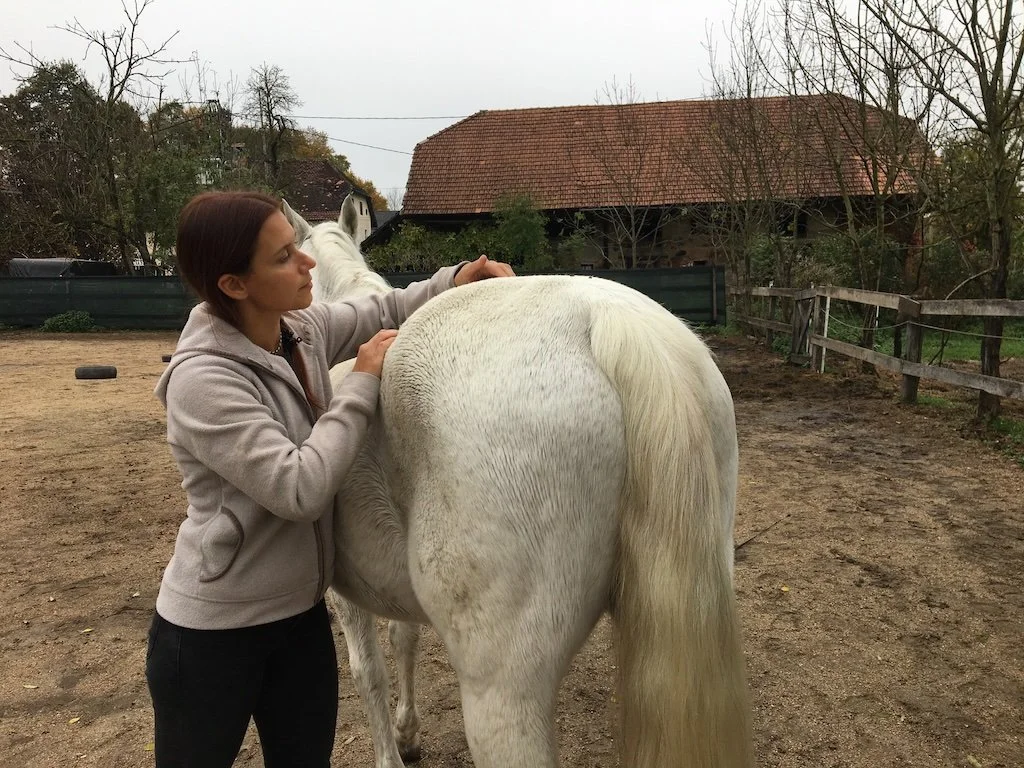
The start of rehab is relatively easy - we are releasing unnecessary tension, restoring mobility, and teaching the horse to relax. The hard part comes later.
Rehabilitation is a broad concept and can mean several things. In general, it can be a process following an acute injury (like a tendon injury) involving rest, controlled activity, and a gradual return to work, or it can be a process of re-teaching your horse how to use his body in a healthier way. In any case, sometimes reab can be straightforward, and sometimes it can be the most frustrating process ever. If you happen to be on the path of rehabilitating your horse and you are encountering setbacks, know that you are not alone.
The situation I often encounter is this. A horse is either pushed too far or trained inappropriately, which establishes a wide array of dysfunction in the body and sets off a huge chain of compensation. Soon, the injuries start to creep in. The horse has some time off while the injury heals, but the original problem is not addressed. The horse returns to work, the vicious cycle continues, and an injury happens again. This goes on for a while until the horse is either sold or the owner realizes they need to make a radical change. This is where proper rehab starts.
The horse now has a body weakened by injuries, unhealthy movement patterns, compensation chains all over the place, and very often, mental issues. Untangling this mess is very, very hard. We need to release the tension stored in the horse's body, teach him to use his body in a healthier way, and then build strength and stamina. Sounds simple, but it’s far from easy. In the beginning, there will be palpable progress. We work on releasing tension, restoring mobility, and taking the pain and tightness away. The horse is taught that he has a voice, learns to relax, and starts to trust again, as we are not really asking anything of him at this point. We just want to release the unnecessary tension and get his body to relax.
But this is not enough. If we want the horse to thrive, simply releasing tight tissues won't be enough. If the horse has issues like degenerative joint disease or kissing spines, just taking muscular tension away will not do them any favors in the long term. We need to build back strength if we want the horse to be as comfortable as possible. This is where things get tricky.
Now we are asking the horse to do stuff. We are asking him to do stuff that’s not easy - building strength is never easy. We need to stress the system a little (growth only happens with stress), but we want to avoid triggering the old compensation patterns. Here is where we start to tread a very narrow ledge between strengthening and creating tightness. How well the horse will respond and how slow this process needs to be will very much depend on the individual horse. I’m sorry to say there is no one-size-fits-all recipe. A lot of it will be trial and error, and this can be extremely frustrating. Next week, we will look at some general principles to keep in mind during this tricky time in our rehab program.