Sleep deprivation in horses – the basics
Sleep deprivation in horses is more common than people realise. Here are some basics that we need to know about this subject.
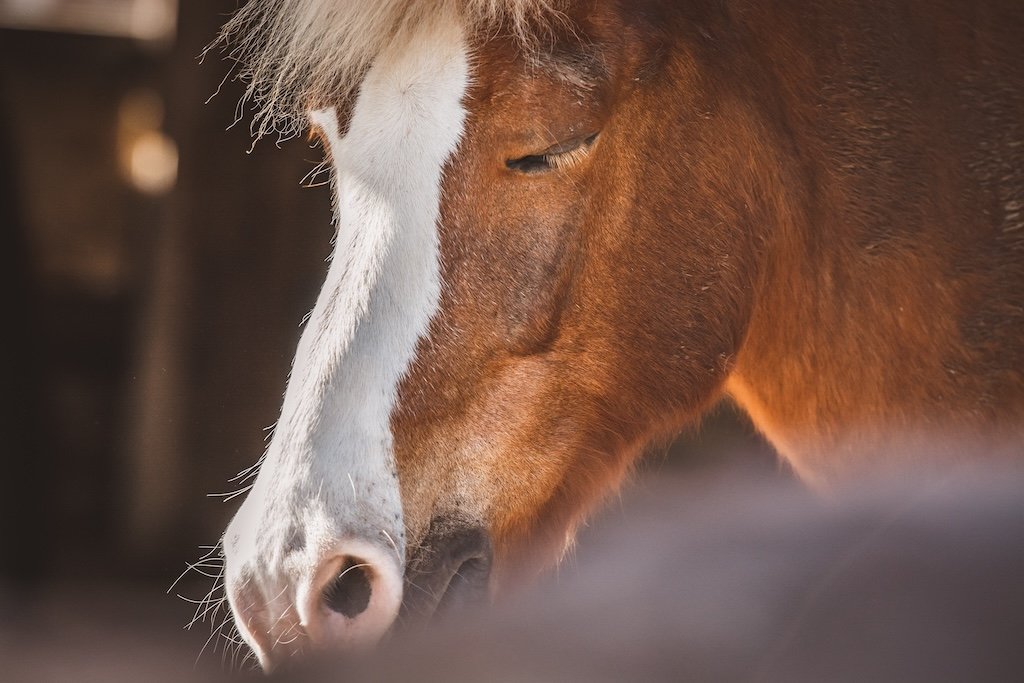
Despite what many of us have been told, horses can’t actually (properly) sleep standing up.
Sleep problems in horses seem to be way more common than people think. Because horses have the ability to keep functioning (to some extent) despite sleep deprivation, many owners chase down random symptoms and problems that don't seem to resolve, and never realize the problem is caused by lack of sleep. So, here are some basics that every horse owner should be aware of.
The sleeping patterns of horses are a bit different from the ones in people, which makes sense since horses are prey animals and need to be able to make a quick escape if a predator appears. Horses typically sleep about 3 hours a day, of which they need about 30 minutes of REM sleep. Most horses will divide their daily sleep into smaller chunks, with REM sleep mostly happening during the night. Despite what many of us have been told as children, horses do not sleep standing up. At least not fully. They can drift off into more »shallow« sleep, but they can't reach the REM phase that way. They can only do that when fully lying down on their side. A very common type of sleep deprivation happens when the horse does not want to lay down. After a while, the body tries desperately to get some much-needed REM sleep, so the horse falls asleep while standing up, causing him to either partly or fully collapse.
Sleep is important for all animals and a lack of it means the body is less able to repair, metabolize and generally function. The immune system suffers, as does the brain's capacity to learn and remember things, as does cell metabolism and much more. All systems of the horse's body start to malfunction, but the signs can often be subtle. The horse's athletic ability seems to decrease, he has a harder time learning new things, his mood worsens or becomes erratic, some horses become lethargic, while others can be more aggressive. Wounds, injuries and diseases take a longer time to heal and the horse might start having issues with insulin regulation (this has not been researched in horses though). In addition, collapsing on a regular basis can cause unexplained injuries and wounds.
So, why would a horse refuse to lie down if it's so important? There are two main reasons for that. One is that the horse doesn't feel safe to do so, or there is pain preventing him from lying down comfortably. A horse might not feel safe if the bedding is too hard, if the stall is too small, if there's noise or too much light. He might also not want to lie down if the herd dynamics are too tense or if he is alone. Horses that seem to be stuck in the sympathetic nervous system often have a hard time relaxing enough to lie down and sleep. The other common cause is pain. Horses might have a hard time lying down because of injuries or chronic pathologies, that make them worry they won't be able to get up quickly if a predator comes. Or, pain could make it uncomfortable for them to stay lying down. Whether the reason is environmental or pain related, resolving this issue requires a systematic approach. Next week we will look at typical symptoms and red flags when it comes to sleep problems.