Lameness is rarely simple
Chronic lameness never stays localised in one limb only – it spreads. In order to battle this frustrating foe, we need to look at the whole picture.
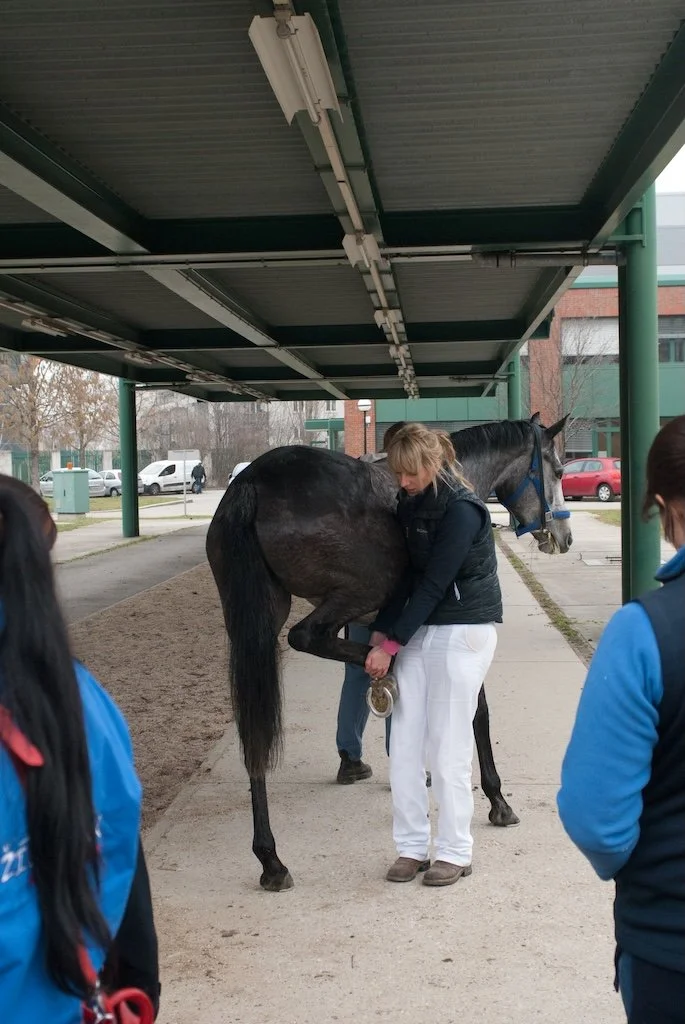
Finding the real cause of lameness can be tricky.
Lameness in horses is incredibly prevalent and dealing with it is one of the toughest challenges of being a horse owner. Sometimes, lameness can be straightforward – the horse takes an awkward step after landing from a jump and injures a tendon. If the rehab protocol is followed diligently, the horse can be back in work after a prescribed measure of time. But, very often, lameness is not that straightforward.
It can start with some minor behavioural or performance issues – refusing jumps, a difficulty taking up one canter lead, becoming increasingly annoyed when being tacked up... It can then appear as very subtle - the rider says the problem is the hind left, the trainer sees the right front. The bodyworker offers a third explanation and the farrier a fourth. But it's not that one of them is right and the others are wrong, it's in fact more likely that they are all right. On a long enough timeline, dysfunction spreads. It spreads and causes issues elsewhere. And as if this wasn't problematic enough, the pattern of how it spreads, varies greatly among horses. So, for one horse a left front lameness might shift to the other forelimb. Or it might jump to the contralateral hind limb. A hind limb lameness is very likely to cause back pain. And back pain (less often, but still significant) can cause hind limb lameness. It jumps, spreads and dances around the horse's body, wreaking havoc.
How can we ever hope to unravel the mystery of chronic lameness if it's so complex? Well, we can't. Not every time anyway. But we can get close. And we can peel away layer after layer until eventually we unravel the enigma and rebuild the horse. Slowly and painstakingly. The longer it persists, the more difficult chronic lameness is to resolve. So, the better way of going about this is to act preventatively. Whenever we have an issue anywhere in the body, we can simply assume that it has already started to spread.
Let's say our horse starts to feel off after a week of more intense competition. We have the bodyworker come out and they find tension and stiffness in the back. They do their magic and afterwards the back feels good again. And then in a couple of weeks, they come out again to check on the horse. The back is tight again. At this point, it makes sense to do a full lameness evaluation, as it's likely that the back stiffness is coming from somewhere else. Much better to do this now than in six months when the horse actually goes lame. In the same fashion, when the horse is in rehab for a limb lameness, we need to assume the problem has spread to the back too. So, in addition to following the rehab protocol for the leg, we also need to take care of the back. And while this might sound like a big burden, it's still much easier than chasing down the original issue years down the line. Lameness in horses sucks. Treating any issue as a full body issue can help prevent the vicious cycle of long-term lameness that spreads everywhere. Trust me on that one.