In bodywork, intention is the secret weapon
Knowledge is powerful, but intention is what gives results. This doesn’t just apply to bodywork – it applies to all areas of working with horses. If you’re skeptical, give it a try.
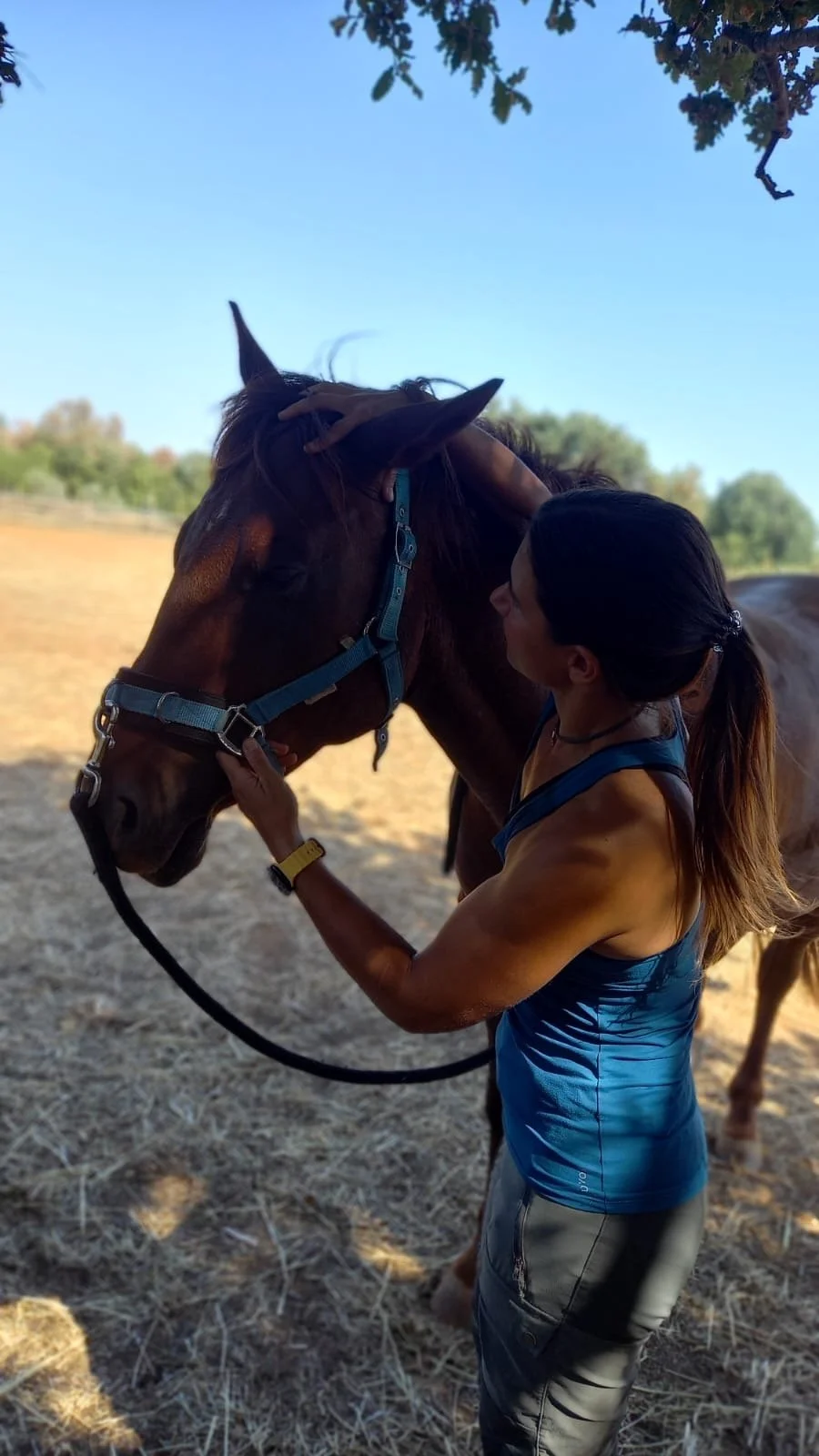
Imagining what structures you want to influence when you are working on a horse will have a bigger impact on the result than you think.
I've been thinking a lot lately about how powerful intention can be, especially when it comes to working with horses. Time and time again I've seen horses that were very averse to strangers, veterinarians or being touched in general, be completely relaxed and cooperative during a bodywork session. I think our intention plays a huge role in this.
I am more of a »left brain« person and prefer to operate on the basis of logic. I think about the problem, and then I think about a solution. But in bodywork, that will only get you so far, because sometimes we just don't know what the problem is. Sometimes we don't have all the puzzle pieces or sometimes the horse doesn't act or respond the way the textbooks say he should. Sometimes, they don't respond to techniques that most other horses will respond to. Or they won't let you work in a certain area, because it's too sensitive.
So, what do you do when the area you most want to work on is off limits, either due to its anatomical position (sometimes, the roots of the problem are, quite literally, very deep), or because the horse can't tolerate it? Well, since everything in the body is connected, you can use those connections to influence the area that is off limits. Here is where two very important aspects of bodywork come together. You have to be knowledgeable enough to understand how those connections work and know the underlying biomechanical principles, but you also have to have the right intention.
The best bodyworkers in history and pioneers of the field talk about the power of intention. They talk about how it is possible to work with structures that are too deep to touch just by intending to do so. This can seem a bit »woo woo«, but it works and horses are especially sensitive to it. This doesn't just apply to bodywork; it applies to all aspects of working with horses. Many good trainers talk about »seeing a horse complete the task in your mind's eye« before you even ask him to do anything. Going into every training session with a clear intention of what you want the horse to learn will yield much greater results than if your mind is elsewhere. If you are like me, and you tend to be more »left brained« and have a hard time with this intangible concept, I suggest you give it a try. For a week, before you do anything with your horse (or any horse, for that matter), have a clear intention. Before you ask the horse to do anything, first picture it in your mind. If you are a bodyworker, imagine the problematic area moving freely, imagine the tissue melting and softening as you are working on it. Try it for a week and see what the horse says.