Coming back from rest and chronic injury
The SI joints are often blamed for any sort of pelvic dysfunction, but the region is a complex one and there are more factors to investigate than just those two joints.
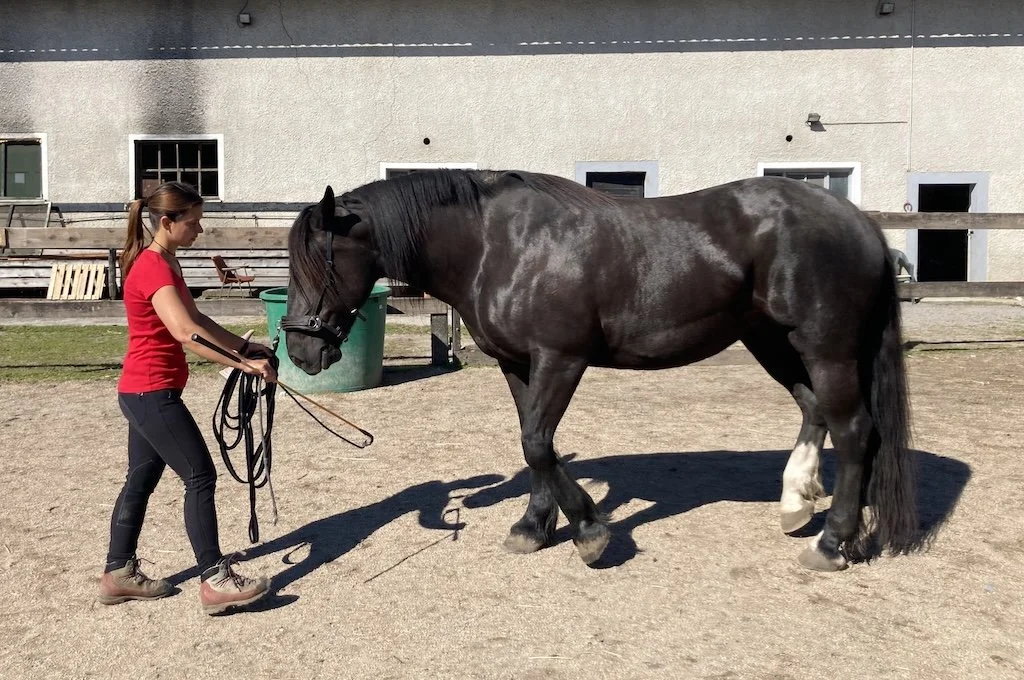
When it comes to rehabilitating a horse after a long period of rest, the most important thing to keep in mind is the importance of baby steps.
Here's a familiar scenario. A horse goes lame and is taken to the vet. He gets diagnosed with a tendon issue, or a suspensory lesion, or maybe a joint problem. He gets treated and is prescribed a rehab protocol. The rider follows the protocol religiously and the horse is almost ready to resume regular work, when he goes lame again. This cycle then repeats. The horse is very gradually getting worse, spends a lot of time in the stall, much less time working and is starting to lose muscle. The rider is afraid to turn him out, because it's muddy and the horse tends to run around too much. She doesn't want to lunge him - even though he is not obviously lame - because he seems so incredibly stiff. This is a difficult situation to be in, for both the rider and horse and it's one that's tricky to get out of.
A big part of why the horse in this scenario is getting stiffer and stiffer is because he is not moving enough. The less he moves, the stiffer his tissues and joints become and the more muscle he loses, the harder it is for him to move in a healthy way. This is especially tough on sports horses, because they are usually kept in stalls where turnout is limited and the rider is used to either riding or lunging the horse – and those are the only tools she has. In these cases, it's extremely important to go very slowly. Obviously, the vet should be involved in the process, but often the horse is treated at a clinic and sent home with very vague instructions, so the rider is left on her own.
The key here is to get the horse as much movement as possible, without overburdening the problematic areas. Movement increases circulation and stimulates the injured tissues to heal in a more functional way, so it's crucial for breaking the vicious cycle. The first thing to start with is hand walking. I realise this sounds obvious and tedious, but it really sets the foundation for more focused work. If the horse is safe, hand walking on the trail is a great way to engage the mind as well as the body. If he's not safe, walking in the arena will have to do. You can add some simple tasks like knocking over cones in order to earn a treat. This will make sure the horse stays motivated.
If the hose is not lame (and you have the green light from the vet), you can gradually introduce some very easy pole work. Start with your normal hand walk and simply add a ground pole that you walk your horse over a couple of times. Very gradually add more poles and increase the number of repetitions, but make sure you're still taking it easy. If the horse feels stiffer at the end of the session or the next day, back off a little. Eventually you can move on to a couple of raised poles (still while hand walking), which will start to mobilize the spine and create some suppleness.
The slow progression is key to success in cases like this. I would also urge you to add regular bodywork and static stabilization exercises like carrot stretches (done in moderation and with a small range of motion), tail pulls and using stabilization pads. A good bodyworker can help you create a good plan for building some core musculature back up in a gentle and gradual way. Always keep in mind that in rehab, especially from chronic issues, baby steps are the key to success.