Five ways to support your horse this spring
For every equestrian, spring is a long-awaited time. Winters are long, cold and muddy and we often run out of time (or willpower) to keep our horses in regular work. When the days start to become longer and warmer, many horses will be brought back to work after a period of rest. Here are some tips for making the transition back to work as easy as possible.
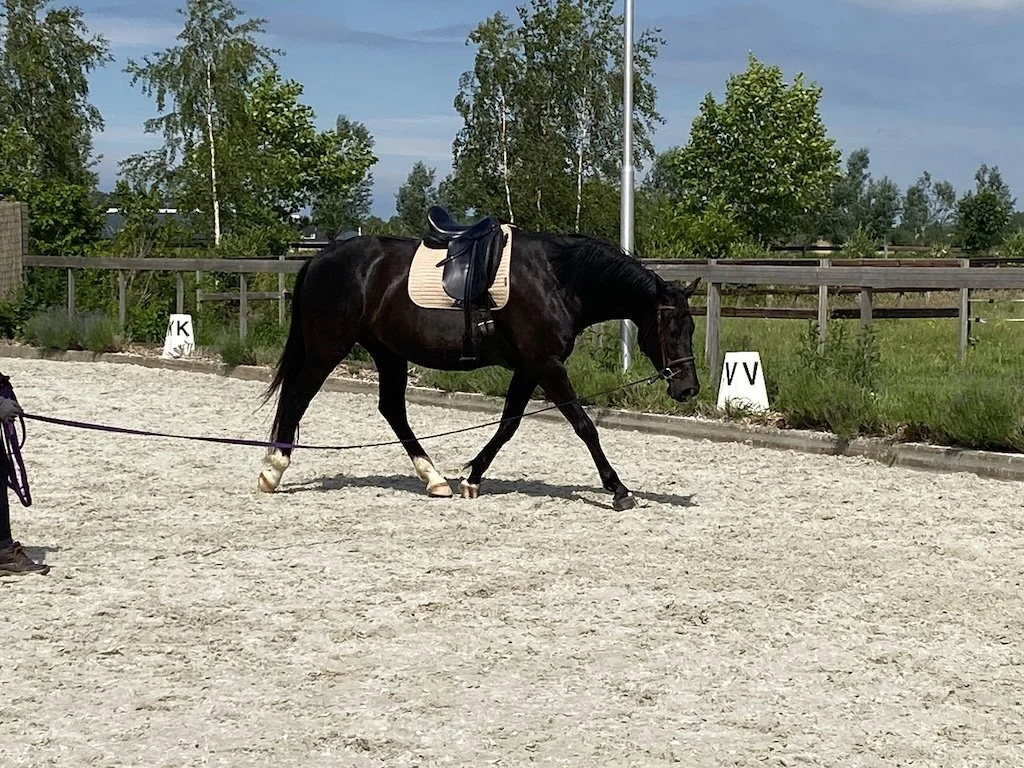
Don’t forget to spend some time brushing up on good posture before you start ridden work after a break.
1. Support the entire system
Spring can be a lovely time, but it's also a time of change which puts extra stress on the organism as a whole. Fluctuating temperatures and changing weather conditions can be harsh on the horse's immune system, especially if we are dealing with an older horse or a horse with any chronic issues. Shedding winter fur and growing a summer coat takes its toll as well. This is a time when the horse's body needs a well-balanced diet, covering all needs for minerals and vitamins. Make sure your horse is getting a high-quality mineral mix and consider adding a supplement to boost the immune system as well (consult your nutritionist or veterinarian first, of course). You can even offer some fresh herbs like lungwort or rosehip.
2. Brush up on posture and core strength
While it is tempting to jump on your horse and go for a long trail ride on the first warm day of spring, make sure to spend some time brushing up on good posture. Start by working the horse on the lunge or in hand to remind him how to carry himself properly. Slowly wake up those core muscles and the nervous system circuitry for sound movement. Spend a little time every day performing static core exercises like carrot stretches and tail pulls (if they are appropriate for your horse) and introduce cavalletti work in walk to mobilize the spine.
3. Address any stiffness or minor issues
Some stiffness in movement when coming back to work from a break is not unusual. If the horse gets visibly better with every session, there's no need to worry about it. However, if the stiffness isn't really going anywhere and it shows up consistently, make sure to get a bodyworker out to resolve any musculoskeletal issues. Often, horses will need a bodywork session after winter, as the mud, cold and slippery footing can cause some problems.
4. Make sure the saddle still fits
If the horse has been out of work for a couple of months, make sure to get his saddle checked before you start ridden work. A lot can happen in three months and it's not unusual for horses to lose some of their musculature, especially in the topline. How much muscle they will lose depends on the individual horse, his age, how sedentary he was during winter and the like. If there is some muscle loss, it makes sense to make an effort to build some of it back up with groundwork and lunge work, before starting ridden work again.
5. Long, slow work to start with
The horse might have some excess energy coming back from a break, but don't be tempted into pushing him too much too fast. While the horse's general fitness and stamina goes away slower than a human's, it's still important to build his fitness back up slowly after a long winter. Use long, slow rides to build up stamina. Don't be afraid to pepper the work with some trot and canter, but keep those brief. Long walks on the trail (with some trot in between – see this post Riding in walk only – friend or foe?) are a great introduction to more serious work.