Helping horses on stall rest
Stall rest is an incredibly stressful thing for a horse. Here are some ideas how to make it a little easier.
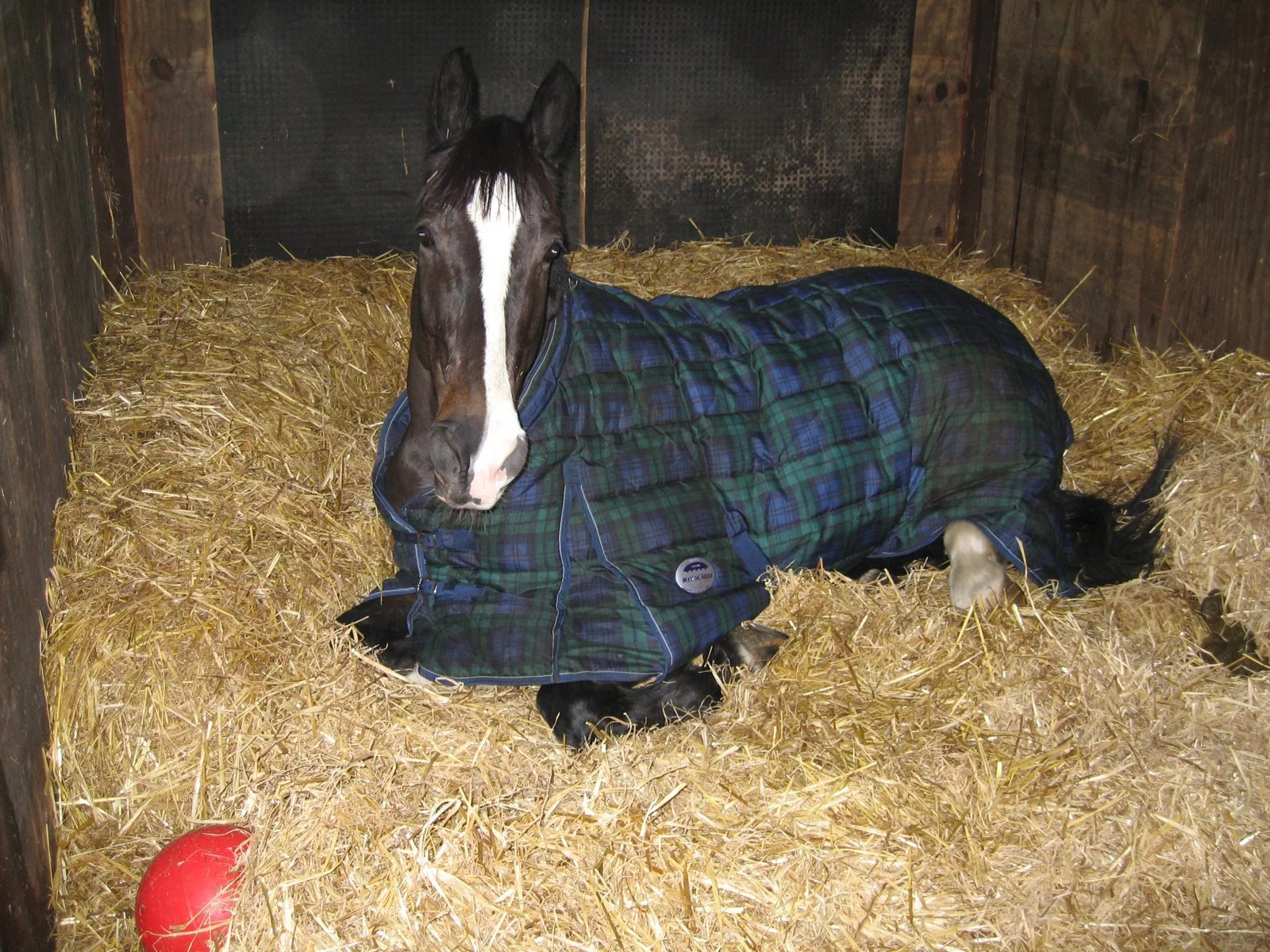
Stall rest is extremely frustrating, both for the owner and the horse, and unfortunately with some injuries it’s unavoidable. Staying locked in a small space is the opposite of what the horse’s nature dictates, which is what makes stall rest very stressful. An increase in stress coupled with a lack of movement can do a lot of harm to the horse’s body so it’s important to try to mitigate the consequences as much as possible. Here are some ideas how to help horses on stall rest.
Dealing with stress and boredom can be quite challenging, especially because you probably don’t want a horse on stall rest to have unlimited hay, as this can result in weight gain. Offering as many small meals as possible is a good idea, since going hours without food can cause stomach issues. Putting the hay in hay nets with small holes can help prolong feeding time and help with boredom.
A lack of movement results in a decrease in circulation and muscle atrophy, which can cause its own set of issues down the line. Taking the time to thoroughly massage the horse can be very beneficial. Basic massage moves over the big movement muscles will do a lot of good. If appropriate (always check with your vet) you can also implement some stretching and mobilization techniques for the limbs. If you are unsure how to do these, get a good bodyworker out to show you some safe and easy stretches.
A horse on stall rest will inevitably lose muscles. While it’s not really possible to prevent atrophy of the bigger movement muscles, there are things you can do to help alleviate atrophy of the core muscles and stabilizing muscles. It can be a huge help to employ a regular core strengthening routine. A 10–15-minute session four to five times a week can help a lot. You can make a core strengthening routine consisting of carrot stretches (done properly!), thoracic sling lifts and tail pulls. If appropriate, you can also add stabilizing pads to make the exercises more challenging further down the line. Obviously, you need to make sure you get a green light from your vet before implementing any of these techniques.
Company is always a good idea to help alleviate stress, so try to make sure your horse is not abandoned by humans and other equines during this trying time. It’s not ethical to lock a healthy horse in a stall just to keep an injured one company, but with some imagination, you can probably figure out a way to keep a horse nearby at least some of the time. Your company is important too. I realise it’s boring to spend time with a horse that you can’t take out of the stall, but it will be very beneficial. You can try meditating with your horse, or listening to some music. As strange as it sounds, horses tend to like both of those activities.
You can consult your veterinarian to see if your horse might benefit from some herbal supplements to help with the stress, aid digestion and make the rehabilitation process easier.